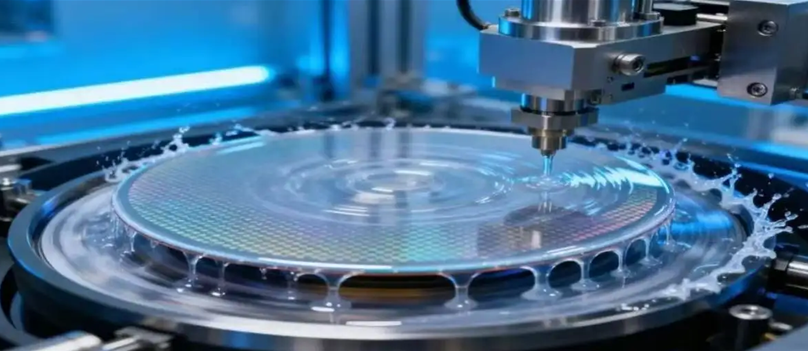
Why we’re switching to IR curing for wafers
Let’s talk about drying wafers. For a long time, we’ve just leaned on convection—basically, heating up a giant box of air and hoping the wafer gets dry. But that’s a bit like heating your entire house just to warm up a slice of pizza. That’s why we’ve moved to infrared (IR). Instead of fighting with the air, IR lamps beam heat directly onto the substrate. It’s cleaner, it’s faster, and it’s a huge part of how we’re hitting those “green” energy goals and moving away from lead. Stop wasting power on the walls Think about a traditional hot-air oven. You spend a massive amount of energy just heating the walls and the empty space inside the chamber. It’s a waste. IR skips all that. We aim the energy right at the wafer surface. The difference in speed is wild. You go from waiting hours for a warm-up to being ready in seconds. When you cut that ramp-up time, your electricity bill drops because you aren’t burning kilowatts just to keep a room hot. Handling the tricky stuff If you’re working with lead-free solder or those eco-friendly resins, you know they’re picky. If the heat isn’t exactly right, the wafer warps. With IR, we can actually tune the wavelength—switching between shortwave or medium-wave—to match whatever chemical coating we’re using. Plus, since there’s no combustion or nasty solvents involved, it’s a breath of fresh air for environmental compliance. No emissions, no lead-based elements. Just clean heat. The catch (because there’s always one) Now, it’s not all magic. The heat density is incredibly high, which means things happen fast. If your PID controller isn’t dialed in perfectly, you can overshoot your target temperature before you even realize it. One wrong move and you’ve damaged the wafer. You really need high-precision sensors to keep a tight leash on the temperature. We’ve designed these systems to slide right into the spot where your old convection setup used to sit. You get more floor space and a lower power bill. Just a heads-up: make sure your cooling fans can handle the heat spikes around the lamp housing, or things will get a bit too toasty.