


Keeping People Warm When It’s Wet and Freezing
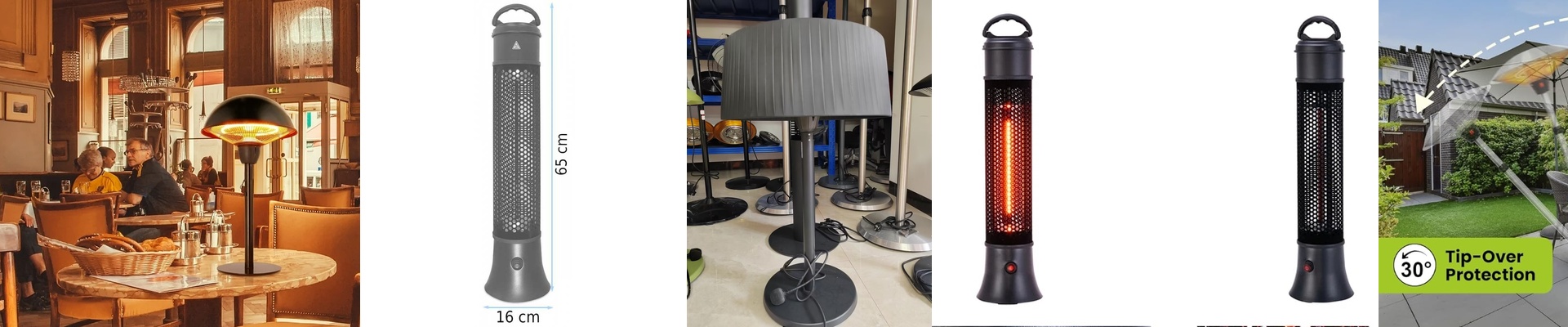
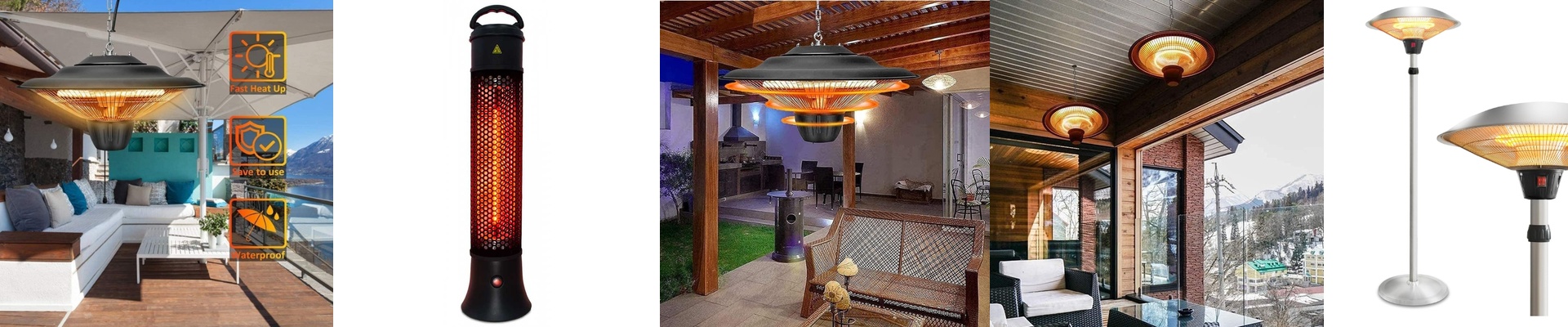
Ever stepped into a changing room or a transit area in the dead of winter? It’s usually miserable. Cold, damp, and that kind of chill that gets right into your bones. We tackle this with shortwave infrared. Most heaters try to warm up the air, which is a losing battle when the wind is blowing or the room is drafty. Instead, these units beam heat directly at the person. It’s like stepping into a patch of sunlight on a cold day. One second you’re shivering, the next you’re warm.
Dealing with the Damp
Water and electricity don’t get along. In a locker room or on a patio, moisture is everywhere. That’s why we go with an IP66 rating. In plain English? It means the unit is tight. We use heavy-duty gaskets and sealed cable entries so dust and high-pressure water sprays can’t get inside. Without that protection, you’re looking at short circuits or heating elements that rust away way too fast. To keep things light but tough, we wrap everything in powder-coated aluminum. It doesn’t rust, and it doesn’t weigh a ton.
Heat That Actually Hits
The best part about shortwave lamps is that they don’t need to “warm up.” You flip the switch, and they’re at full blast immediately. We push for a high wattage here because we know the target is often someone wearing damp clothes. You need that heat to actually penetrate the fabric to make a difference. But you have to be smart about where you hang them. If they’re too low, it feels like standing too close to a campfire—too intense. Too high, and you lose that instant cozy feeling. We usually sit down and calculate the exact distance based on the lamp wattage so it feels just right.
The Electrical Reality Check
Here is the catch: these things pull a lot of power. You can’t just plug an infrared array into a standard wall outlet and hope for the best. You’ll trip the breaker the moment the winter rush hits. You need a dedicated circuit and a panel that can handle the load. We’ve made the terminals easy to wire up to save your electrician some time, but the backbone of the building has to be ready for the draw. It’s a bit more work upfront, but it’s the only way to make sure the heat stays on when people need it most.