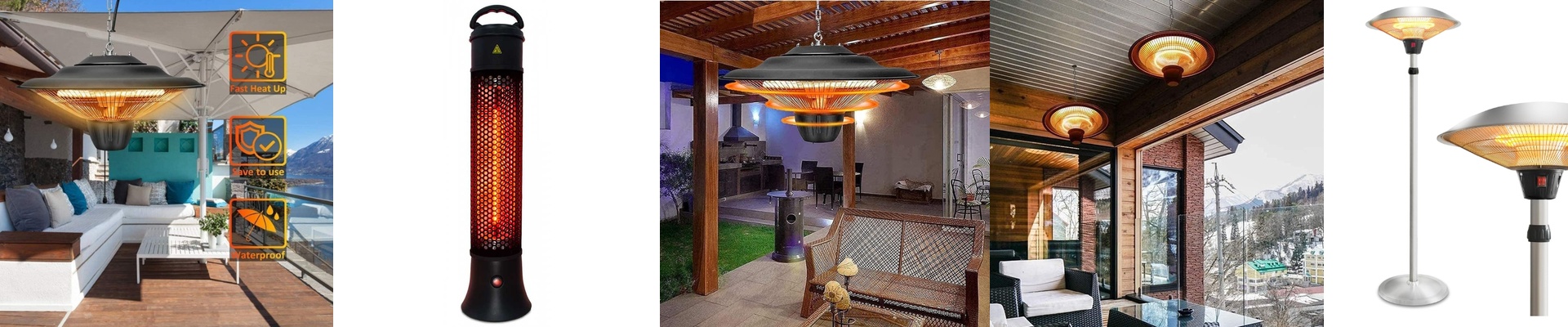

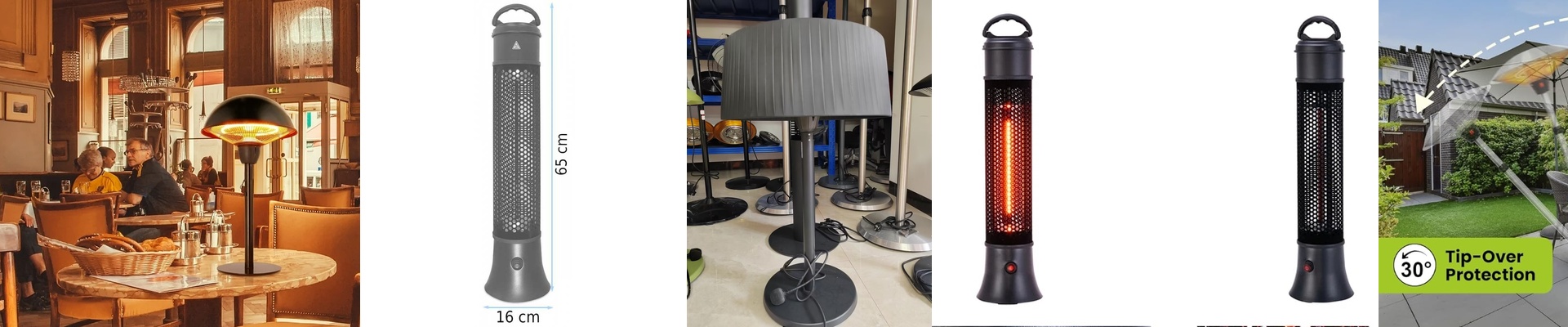


Why your bathroom heater keeps dying (and how to fix it)
Let’s be honest: most bathroom heaters are pretty terrible. You buy one, it works for a year or two, and then it just… quits. Usually, it’s because steam and moisture sneak into the casing, fry the electronics, and leave you shivering the moment you step out of the shower. That’s why we’ve moved toward waterproof infrared heaters. They’re built for the chaos of a wet zone.
Keeping the water out
Most basic heaters have housings that are basically just plastic boxes. In a steamy bathroom, that’s a recipe for disaster. We do things differently. We use IP-rated enclosures—usually IP44 or better—which is a fancy way of saying we’ve locked the doors against steam and splashes. By using silicone gaskets and sealed cable entries, the guts of the machine stay bone-dry. It stops that nasty corrosion that usually kills cheap heaters in a couple of seasons.
Warmth you actually feel
Here is the thing about old-school “light” heaters: they try to heat the air. But if you have a drafty bathroom or a window cracked open, that heat just floats away. Infrared doesn’t care about the air. It sends out waves that hit you and the walls directly. It’s like stepping into a patch of sunlight on a cold day. You feel the warmth the second you turn it on. We use short-wave emitters because they’re fast. Really fast. They hit temperature almost instantly. The only catch? Those tubes get incredibly hot. That’s why we spend so much time on the protective grills and housing materials—you don’t want your fixture warping or discoloring just because it’s doing its job.
Getting it installed
If you’re swapping out an old ceiling fixture, these are pretty easy to drop in. You can use your existing wiring, but just a heads-up: check your breaker. Infrared elements can cause a sudden spike in power when they kick in, and you don’t want to trip your electricity in the middle of a shower. And please, double-check your grounding. A waterproof seal is great for keeping the water out, but proper earthing is what actually keeps you safe if a part eventually wears out.