

Why Your Outdoor Heater Needs Explosion-Proof Quartz
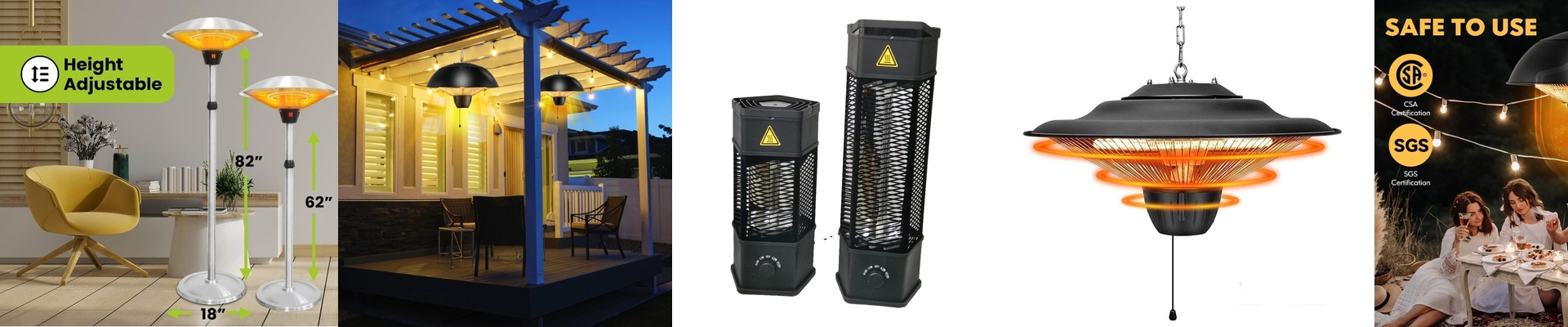
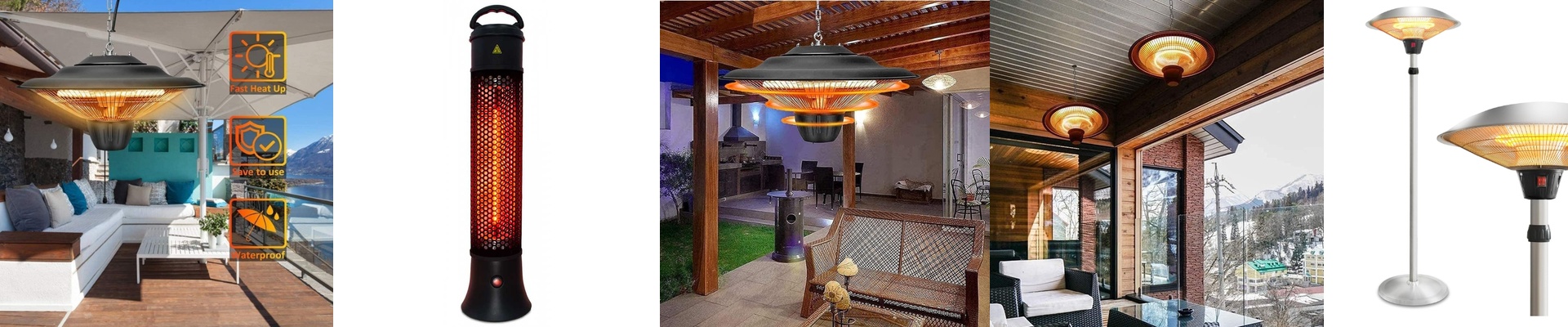
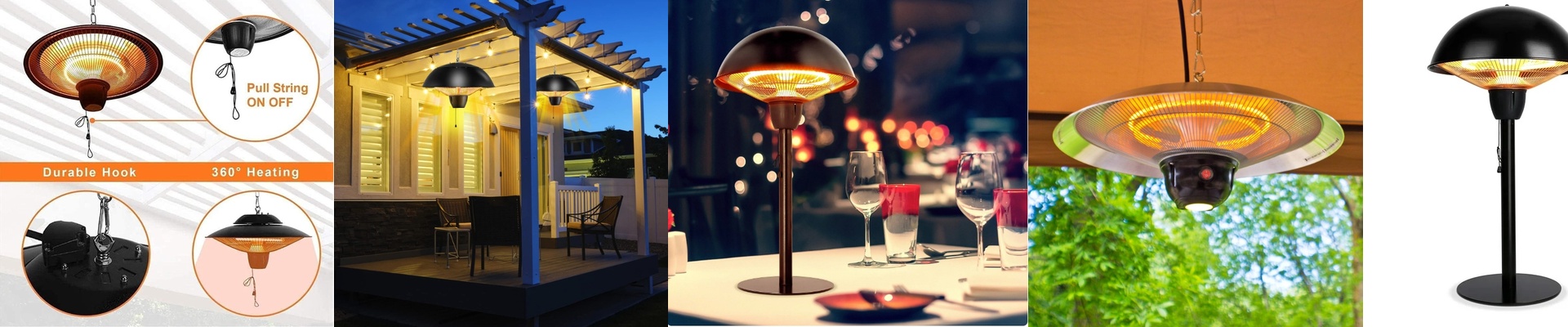
If you’ve ever put an infrared heater in a steamy bathroom or out on a patio, you know the struggle. You’re fighting a constant battle against water vapor and thermal shock. Here’s the nightmare scenario: a single cold drop of water hits a surface that’s sitting at 600°C. With standard quartz, the glass just snaps. The filament burns out in a heartbeat. It’s frustrating, and it’s expensive. That’s why we stick with explosion-proof quartz. The secret isn’t just “thicker glass.” Actually, if we just made the glass thicker, it would trap too much heat and the whole thing would lose its efficiency. Instead, we use a specific quartz blend that doesn’t freak out when the temperature swings. It can expand and contract without shattering. When we call it “explosion-proof,” we’re really talking about its grit. It can handle those sudden, violent temperature shifts you get in a shower or a rainy backyard without cracking. We also tuck these into sealed housings, because keeping moisture away from the electrical contacts is the only way to make them last. A few things to keep in mind… These lamps use short-wave or medium-wave infrared. The cool part? They heat up the person or the object, not the air around them. This is exactly why they actually work on a drafty patio where a space heater would just be wasting energy. But you have to be careful with your wattage density. If you cram too much power into a tiny space, you’re creating a massive heat load. If your wiring isn’t up to the task, you’ll literally melt your insulation. If you’re installing these in a recessed ceiling, do yourself a favor and use heat-resistant silicone wiring. Keeping things running When you’re wiring these up, use moisture-resistant connectors. Even if the quartz protects the filament, your terminals will rust and corrode if the seal leaks. I’d suggest checking your seals every six months. And keep an eye on the tubes—if you see the ends starting to darken, swap them out. That darkening is a sign the quartz is wearing down, and a break is probably coming soon. Better to replace it now than to deal with a dead heater in the middle of winter.