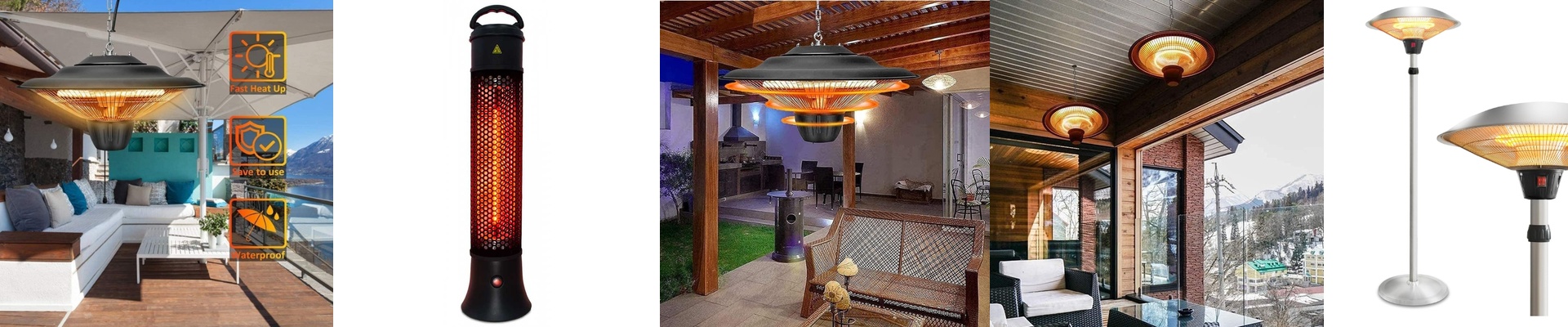

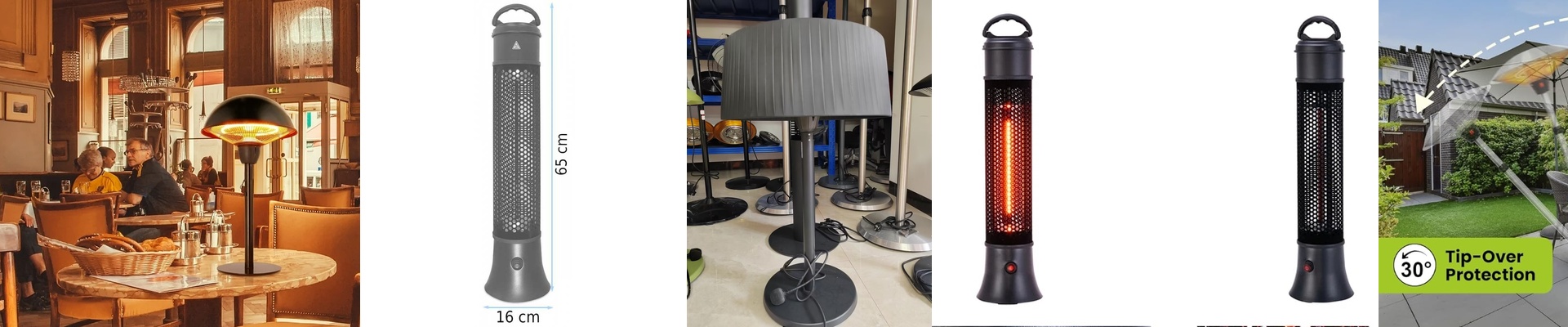


Keeping Things Warm When it’s Wet and Messy
We build waterproof infrared heaters because, let’s be honest, most electrical gear hates moisture. If you’re dealing with a damp changing room or a chicken coop, standard heaters usually just give up. They can’t handle the humidity, and trying to heat the air in those kinds of spaces is like trying to fill a bucket with a hole in the bottom. You don’t need the air to be warm. You need the person (or the animal) to be warm.
How it actually works
Think of it like the sun. You feel the heat on your skin even if there’s a cold breeze blowing. That’s what we’re doing here. Our heaters send out energy in a straight line. It doesn’t mess around with the air; it just hits the target and turns into heat instantly. We use short-wave emitters because they’re fast. Like, “warm in seconds” fast. If you’ve got a freezing cold zone that needs to be usable right now, this is the way to do it.
Built for the grit
Most heaters short out the second things get humid. Not a great look. To stop that from happening, we seal the electrical connections tight and use housings that don’t care about moisture. This is a big deal in livestock areas where you’re fighting a constant battle against water vapor and ammonia. We also use quartz glass for the envelopes. It’s tough. It can handle those wild temperature swings without cracking.
A few things to keep in mind
These units put out a lot of heat in a very concentrated spot. It’s great for creating a “warm zone” quickly, but you have to be smart about it. First, check your wiring. These pull a decent amount of power, so make sure your circuit can handle the load. Also, don’t bunch them too close together in a tiny space, or you might actually start overheating your ceiling. The secret is all in the placement. You want a clear line of sight from the heater to whatever you’re warming up. If something is blocking the path, you’re just wasting electricity. Oh, and use heavy-duty mounting brackets. These things have some weight to them, and nobody wants a heater sagging over time. Give it a dedicated circuit, bolt it down tight, and you’re good to go.