


Stop Waiting on Your Heaters: Why IR Beats Hot Air in the Fab
If you walk into an older fab line, you’ll probably see plenty of setups still relying on hot air circulation to heat or cure wafers. It’s the old way of doing things, but it has a massive flaw: it’s slow. Air is just a terrible conductor of heat. When you use hot air, you’re basically playing a waiting game. You have to heat the air, then the chamber, and finally the part itself. Those minutes spent waiting for the substrate to hit the right temperature? That’s just dead time.
Cutting Out the Middleman
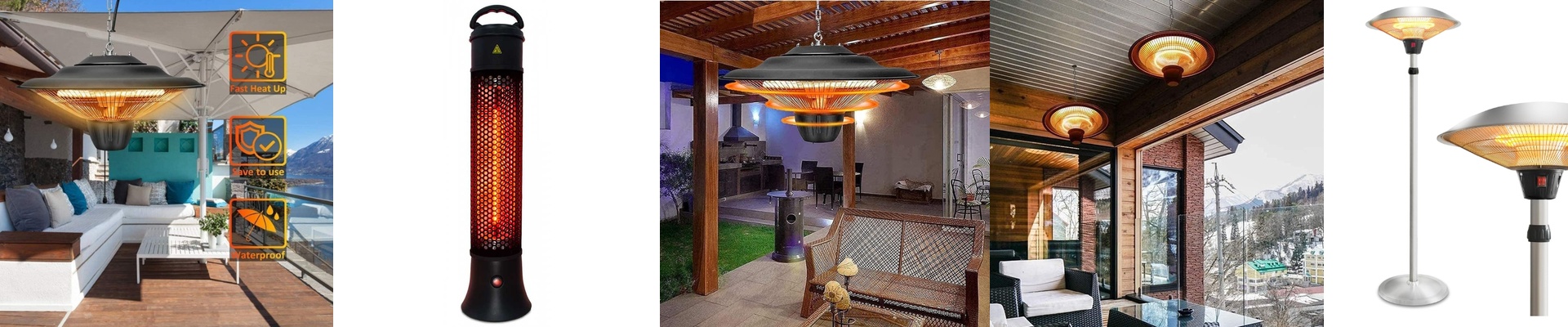
Infrared (IR) heating changes the math. Instead of warming up the room, short-wave IR lamps send electromagnetic radiation straight to the target. It’s a direct hit. In deep processing, this is where you see the real win. You aren’t waiting minutes anymore; you’re waiting seconds. It makes the whole workflow feel snappy and efficient. To make this work, we wrap those lamps in high-purity quartz glass shields. These aren’t just there to keep things safe. They act as a barrier so fab contaminants don’t gunk up the heating element, all while letting the thermal energy slide right through without getting scattered or absorbed.
The Quartz Factor
You can’t just use any glass here. If you try to skimp with low-grade materials, the shield will likely crack the second the lamp hits full power. It’s a brutal environment. High-purity quartz is the only thing that stays solid when temperatures get high enough to make standard borosilicate glass soften and sag. But here’s the catch: you have to keep those shields spotless. If grime builds up on the quartz, you get hotspots. That forces the lamp to run hotter than it’s supposed to, and before you know it, your filament is fried.
The Trade-off
Now, IR isn’t a magic wand. It comes with its own set of headaches—mostly around heat density. These lamps pack a huge amount of energy into a tiny space. If your cooling system isn’t up to the task, that reflected heat will start warping your mounting brackets. Worse, if the lamp can’t breathe, it’ll burn out way faster than it should. Speed is great, but you’ve got to have the cooling to back it up.