


Cutting Carbon in the Cleanroom: Why Waterproof IR Heating Actually Works
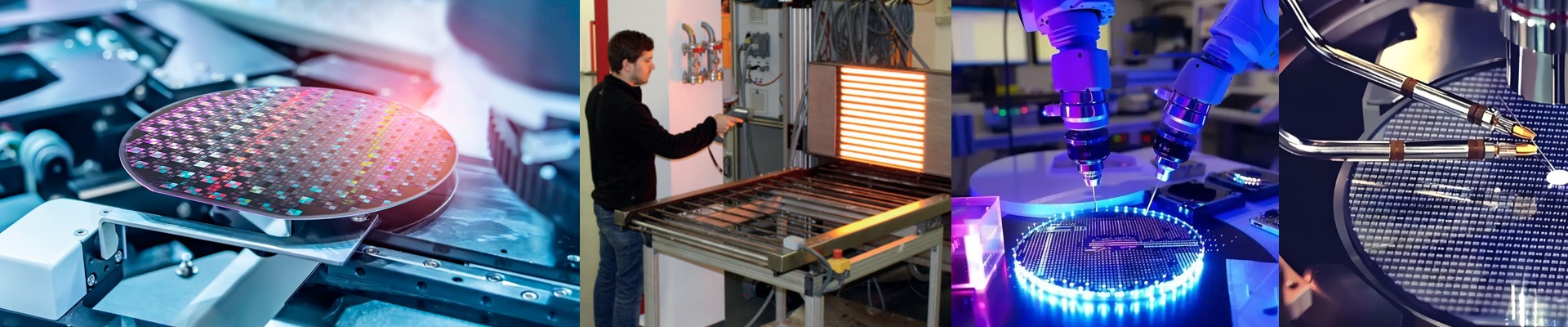
Let’s be honest about semiconductor rinse cycles. They’re a bit of a power hog. For a long time, we’ve just accepted that heating massive volumes of air to dry a wafer is “how it’s done.” But that’s a lot of wasted energy just to get a few drops of water off a surface. We’ve found a better way: waterproof infrared (IR) lamps. Stop heating the air Here is the thing about IR lamps—they don’t bother with the air in the chamber. They don’t need to. Instead, they beam energy straight onto the wafer surface. It’s a much smarter way to work. You aren’t spending kilowatts trying to warm up the entire room; you’re just hitting the target. When you focus the heat like that, your power draw drops. If you’re trying to build a “Green Factory,” this is one of the easiest wins for your carbon footprint. Built for the splash zone Now, usually, putting high-heat lamps in a rinse stage is a recipe for disaster. High humidity and liquid splashes? That’s how you get cracked quartz tubes or a nasty short circuit. We fixed that by sealing the lamps with specialized waterproof coatings and moisture-resistant end-caps. It keeps the water away from the electrodes. It means the lamp can take a beating in a wet environment and keep on humming without burning out every few weeks. The trade-off (because there’s always one) I won’t tell you it’s a magic wand. Moving to high-intensity IR means you have to look at your cooling again. Because the heat is so concentrated, the wafer dries incredibly fast, but that localized heat can stress out your nearby sensors or plastic parts. You’ll probably need to beef up your cooling fans or heat sinks to keep the ambient temperature in check. It’s a small tweak, but a necessary one. The bottom line for your workflow The result? Your cycle times shrink. When wafers dry faster, you push more through the line. You’re using less electricity per unit and processing them in less time. That’s how the carbon-per-wafer metric actually starts to move in the right direction. Just hook it up to a PID controller to keep your temperature windows tight, and you’ve got a setup that hits those sustainability goals without messing with your yield. Simple.