

Stop the Glass Shards: Keeping Your Wafers Clean When IR Lamps Fail
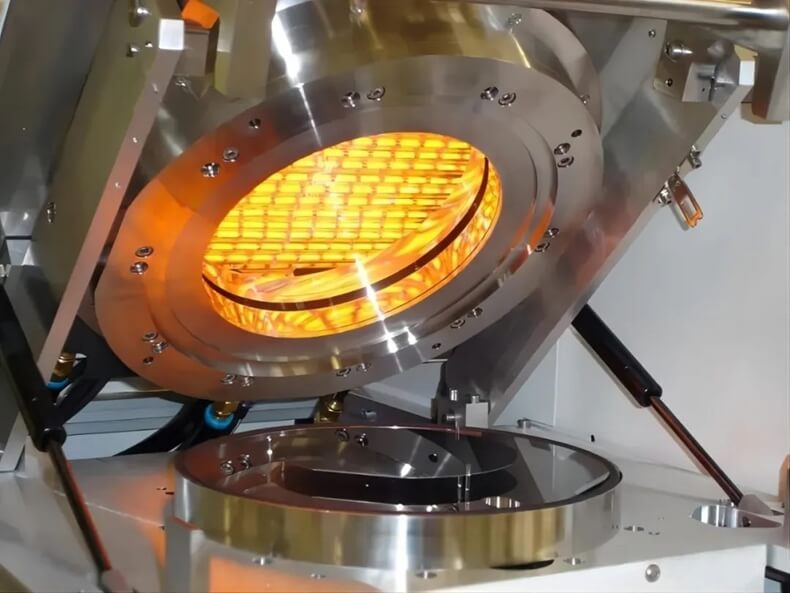
If you’ve ever had an infrared lamp burst inside a high-load glovebox, you know it’s a nightmare. It isn’t just about the machine stopping. It’s the mess. One shattered quartz tube sends glass shards and chemical gunk flying everywhere. Suddenly, your wafers are ruined, and you’re looking at a grueling, full-chamber scrub that kills your productivity for days. Why do these things actually break? Usually, it comes down to thermal stress. These lamps go through rapid heating and cooling cycles that just beat the material down. Or you get a voltage spike that the tube can’t handle. We deal with this by using high-purity synthetic quartz. It just holds up better. But the real trick is the matching. If you throw a high-wattage lamp into a space that can’t breathe, you get “hot spots” on the filament. It’s like overworking an engine—it’s going to burn out way faster than it should. Building in a safety net We don’t just hope the lamp doesn’t break; we plan for what happens when it does. We use reinforced end-caps and special coatings to keep the glass from exploding outward. If a filament snaps, the enclosure catches the debris. It keeps the mess contained so it doesn’t end up on your product. And here’s a small detail that matters: the connectors. We stick with industrial-grade R7s or SK15. Why? Because loose connections cause arc flashes. In a glovebox, those flashes are often what trigger the tube to rupture in the first place. Tight connections mean fewer surprises. The trade-off you need to know about Shortwave IR is great. It ramps up the heat incredibly fast, which gets your wafers moving through the line. But that intensity comes with a price. It puts a massive load on your glovebox cooling system. If your airflow can’t pull that ambient heat away from the lamp housing, you’re essentially cooking the lamp. To keep things running smoothly, just keep an eye on the electrodes. Check them for oxidation every 2,000 hours. It’s a quick check, but it’s the best way to avoid a blowout when you least expect it.