


Introduction
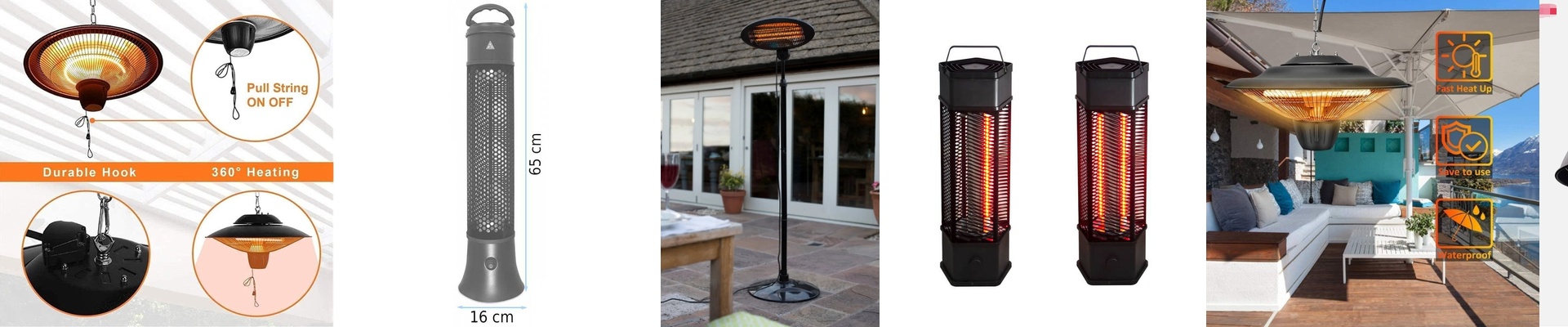
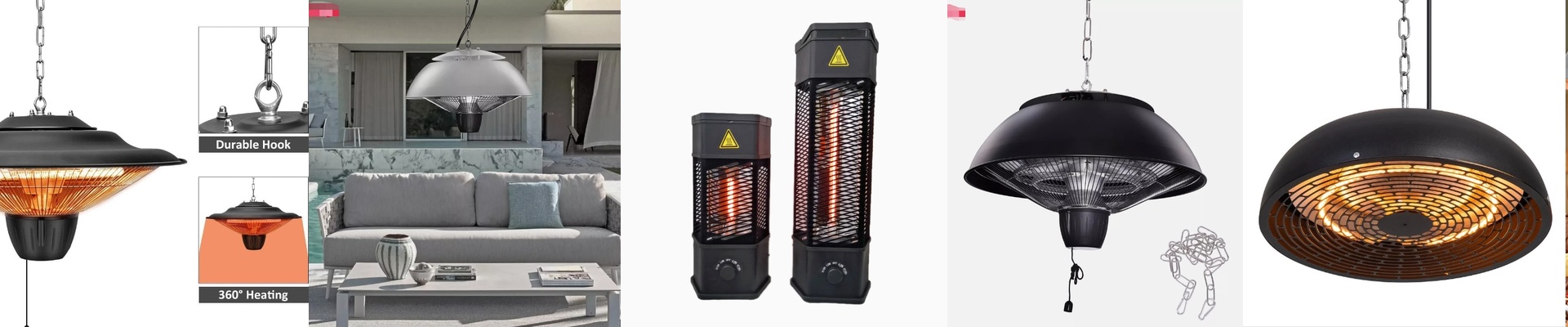
Ever stepped into a gorgeous loft sunroom or an airy atrium, only to find the cold sneaking in through all that glass? We know that feeling. It’s why we built our infrared heaters for exactly these spaces. Instead of wasting energy warming air that just escapes, these units send warmth straight to where it matters—people, furniture, the floor beneath your feet. It’s direct, focused, and actually makes sense.
The Heart of the Matter
At the core is a halogen heating tube, and it’s a powerhouse. We’re talking 2500W of output, running on 400V. That’s not some random number on a spec sheet—it’s the sweet spot. It gives off a strong, directional heat that can actually push back against the constant heat loss through those big glass walls. The 400V setup? That’s about keeping things stable, especially in larger installations. It keeps the current manageable and prevents the voltage from dipping, so the heater just keeps doing its job, reliably.
What It’s Made Of
The heating element sits inside a quartz tube with a special halogen coating. This coating is key—it allows the filament to run hot enough to produce short-wave infrared. That’s the kind of heat that warms you directly, not the air around you. And for the connection, we use an R7s base. It’s the standard for high-wattage tubular heaters, and for good reason. It gives a solid, two-point contact that can handle the high current without getting hot and failing. It’s built to take the daily on-off cycle without burning out.
Where It Shines
Let’s be honest—forced-air heating in a glass-heavy loft is like trying to fill a bucket with a hole in it. Our infrared heaters cut through the waste. They create a warm zone where you need it most, sending heat downward and outward so your floor and workspace feel cozy, not the air that’s just going to vanish through the glass. Now, here’s the trade-off you should know about: this is focused heat. You get a lot of warmth in a specific area, which means the overall room air won’t feel as toasty as it would with air heating. That’s why planning matters. You’ll want to look at insulation and get the placement right so the people in the target zone feel the full benefit. For engineers, that means a straightforward, solid install that puts the warmth exactly where you want it.