
Introduction
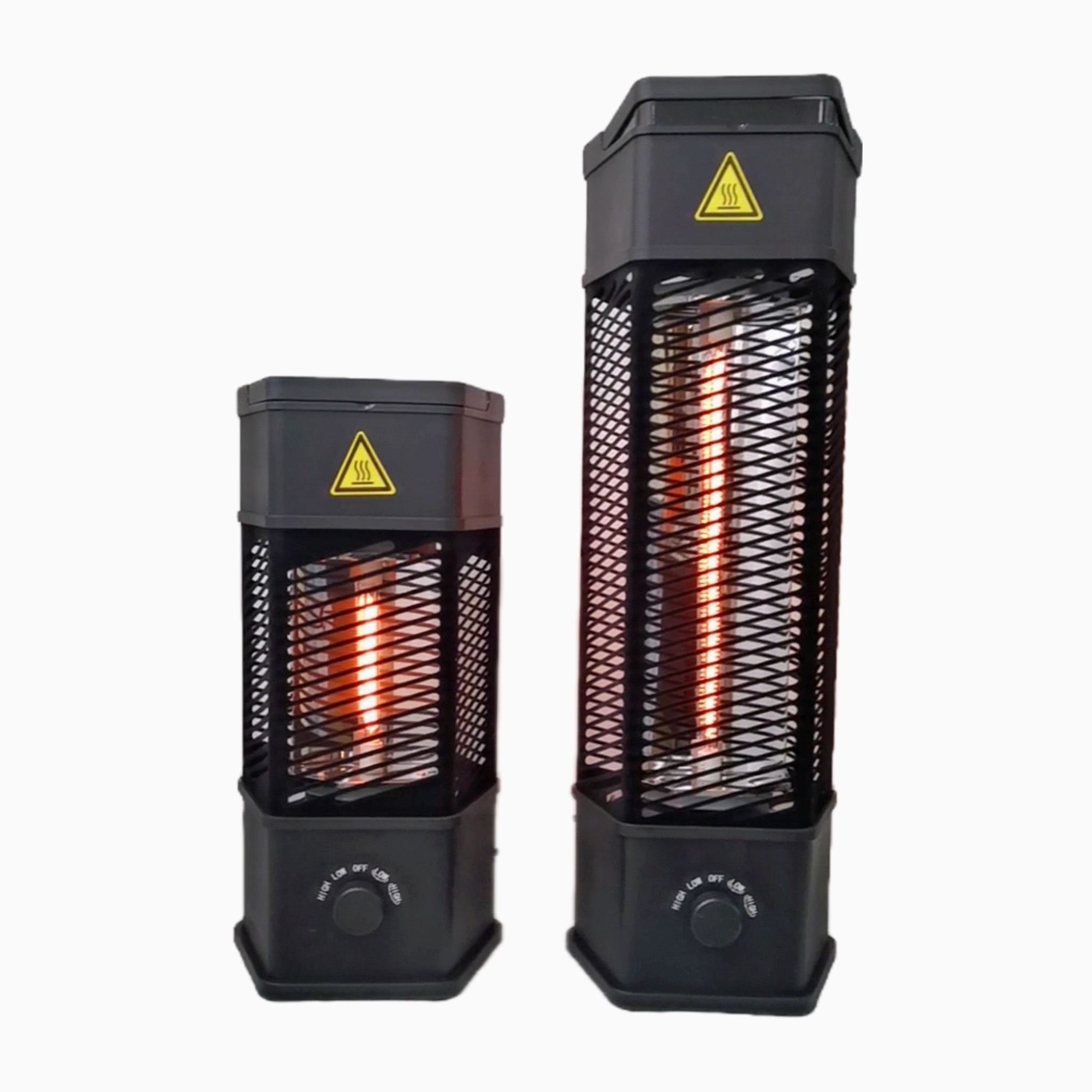
Here’s the thing about some heaters: they can make a room feel like the inside of a hair dryer. Not exactly cozy, right? We built this indoor electric heater to be different. It’s all about giving you warm comfort without messing with the air. It uses gentle, radiant heat that warms you directly, without blowing air around. So if you’re in a space where allergies are a concern, you get warmth without the dust, the dryness, or the constant hum of a fan. Just pure, quiet heat.
How It Actually Works
Plug it in. That’s it. It takes standard electric power and turns it into focused infrared warmth. But here’s the magic—it doesn’t heat the air first. Instead, it sends that energy straight to solid things. The floor. The walls. The people in the room. The air just… stays put. No churning, no swirling, no stirring up dust that’s settled. What you feel is a steady, even warmth that doesn’t kick up a cloud of irritants every time it kicks on.
The Inside Story
Inside, you’ll find a halogen-filled quartz tube holding the heating element. It’s tough enough to handle quick temperature shifts without breaking a sweat. The special coating on the tube helps shape the heat and keeps the output steady, so you get consistent warmth without that overly dry feeling on your skin. And the R7s connector? It’s a simple, secure fit that makes installation straightforward and helps prevent hot spots. We built this thing to hold up, even with steady use. But like any heater, it does need proper clearance and a little breathing room around it.
What It Feels Like to Use
For anyone who struggles with allergies, this is the kind of heat you’ve been hoping for. It warms people and objects directly, so you don’t have to crank the temperature to feel comfortable. That means no noisy fans. No drafts. And most importantly, no airborne irritants getting swirled around. It’s easy to wire and fits into tight spaces, which is great if you’re updating an older setup. Now, there is one thing to keep in mind: since infrared heats surfaces first, the air temperature might take a moment to catch up. So you’ll want to plan your layout around the spots you actually want warm, and make sure nearby materials can handle the direct warmth without any issues.