

Keeping Your IR Heating Safe in Chemical Zones
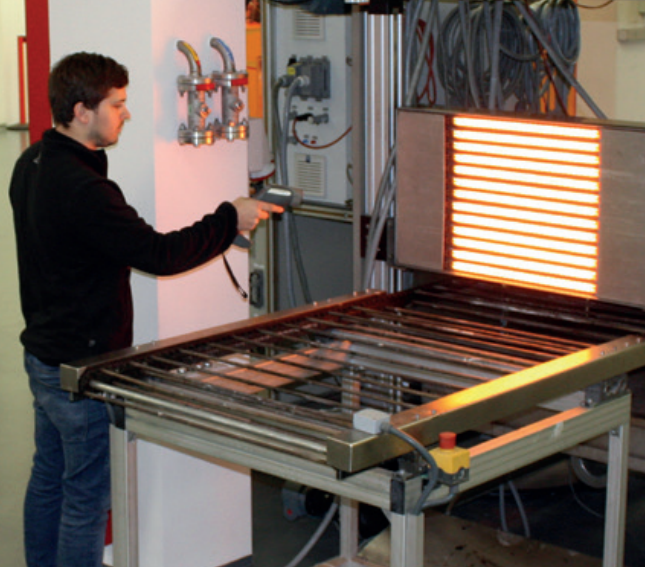
If you’re running IR lamps in a chemical cleaning area, you already know the deal. You’ve got flammable vapors floating around and corrosive liquids that want to eat through everything. Throwing a standard, open-element lamp into that mix is basically asking for a fire. We handle this by pairing specialized aluminum reflectors with a sealed enclosure. It’s all about keeping the heat source and the atmosphere from ever shaking hands.
Why the aluminum reflector matters
We stick with high-purity aluminum for a reason. It’s great at reflecting heat, sure, but it also works as a heat sink for the back of the lamp. Here’s the thing: if the housing gets too hot, you risk hitting the flashpoint of whatever fumes are drifting by. That’s a bad day. We tweak the geometry of the reflector to push the heat exactly where it needs to go—onto the workpiece—so you aren’t wasting energy heating up the air around you.
Locking it down
To keep those explosive vapors away from the hot quartz tube, we wrap the whole thing in a sealed protective shell. We use gaskets that can actually stand up to chemicals, creating a real physical wall between your electronics and the chaos of the shop floor. One quick tip: make sure your wiring is actually rated for the chemicals you’re using. If a seal leaks, the chemicals will etch the quartz and your lamp will burn out before you can blink.
The trade-off
Now, there’s a catch. When you seal a lamp in a box, the heat builds up inside. The aluminum reflector helps, but it can’t do all the heavy lifting. You’ll need to pick the right cooling fans or liquid-cooling jackets to move that trapped heat out. If you skip the ventilation, your lamp’s lifespan plummets. I always recommend keeping a close eye on the internal housing temperature. It’s the easiest way to stop a filament from failing early and keep your facility safe.