



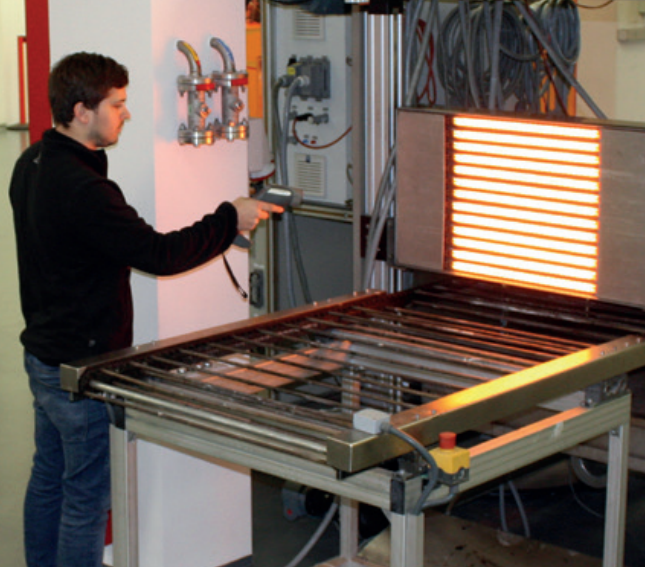
On the fab floor, lithography and the bake steps live or die on thermal control. A lamp output that drifts will trash CD uniformity, and a filament that takes a dive shuts the line down. We built our replacement filament to take that uncertainty off the table. What actually matters is repeatability under load. The filament is engineered to hold stable emissivity across short-wave and medium-wave profiles, so radiant power stays consistent for soft bake and hard bake. Wafer-level uniformity stays within ±0.1°C, and the quartz envelope and geometry are picked to match OEM sockets and connector types—swap it in without rework. In Class 1–100 cleanrooms, the assembly runs with zero particle generation, so particle counts stay flat during the critical bake cycles. Here’s why it sticks: it keeps your thermal budget intact. Photoresist profiles stay repeatable lot to lot, which cuts rework and lifts yield. Energy draw is optimized, and the filament keeps running 24/7 with predictable maintenance windows, so unplanned downtime drops. The upshot is stable processes, fewer excursions, and a steadier cadence through lithography and track. A couple of practical notes. Match voltage and connector compatibility before ordering—mismatched pins or terminations will bite you on ignition and stability. Run a short burn-in after install to verify uniformity and setpoint repeatability in your chamber. Treat the lamp as a calibrated component: swap it on schedule and keep records so you can correlate output with process performance.