
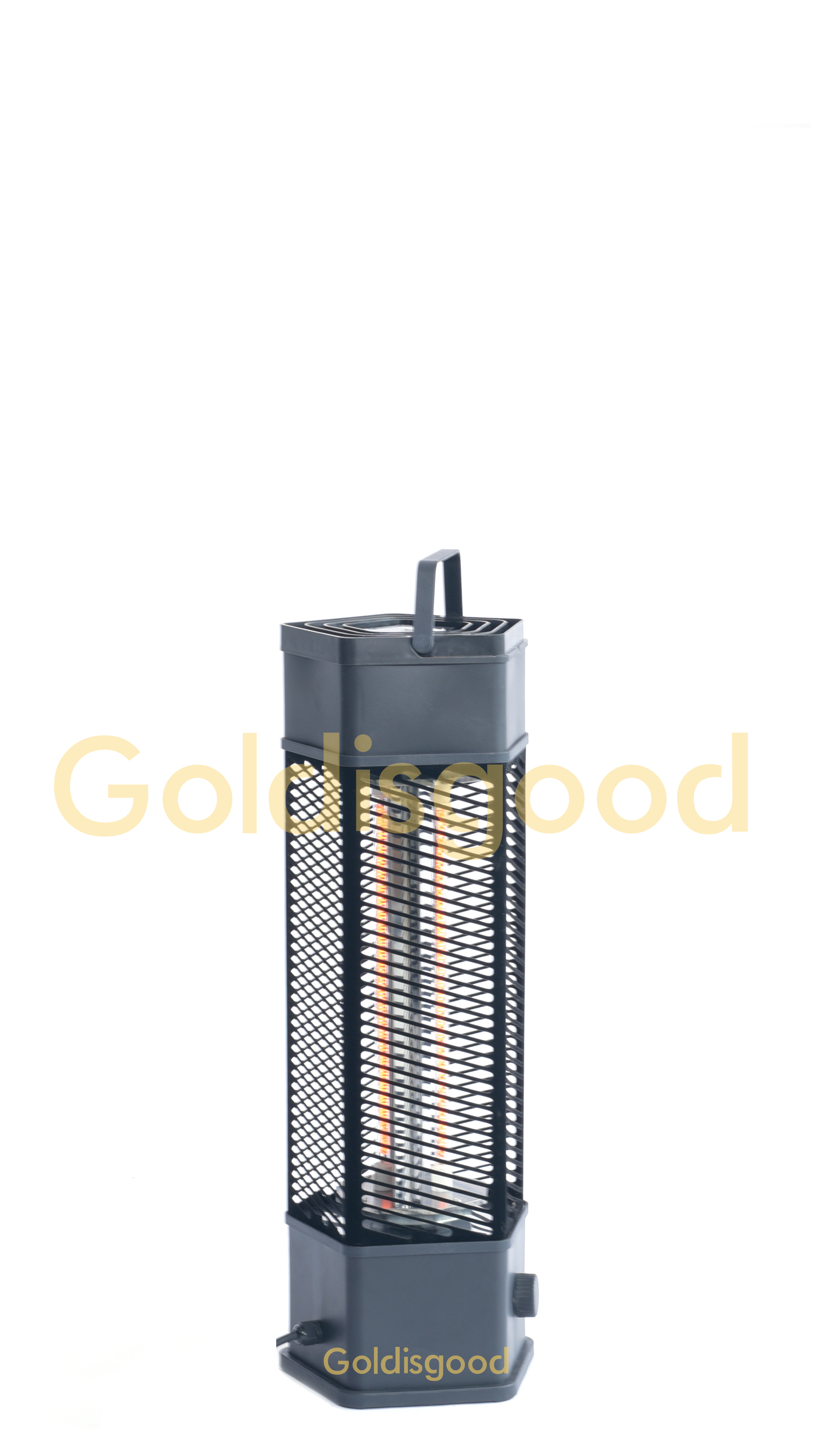
Getting Your Bathroom Heater Wattage Right
Here is a common mistake I see all the time: people think the biggest number on the box is the best. They grab the highest wattage they can find, thinking it’ll be warmer. But that’s actually a recipe for disaster. When you put a massive heater in a small space, it cycles on and off way too fast. It’s like slamming on the brakes and then flooring the gas every ten seconds. Eventually, that relay is going to burn out, and you’re just throwing money away on your power bill.
Finding the Sweet Spot
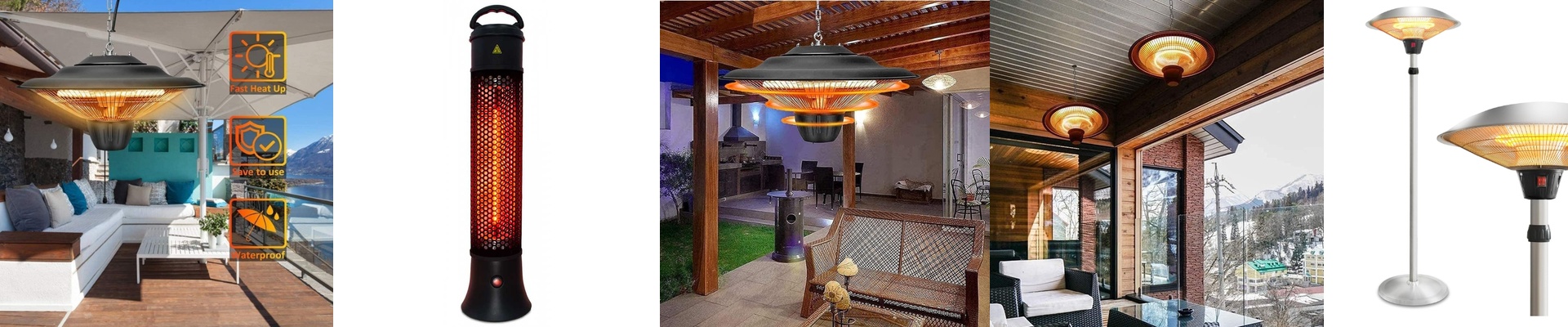
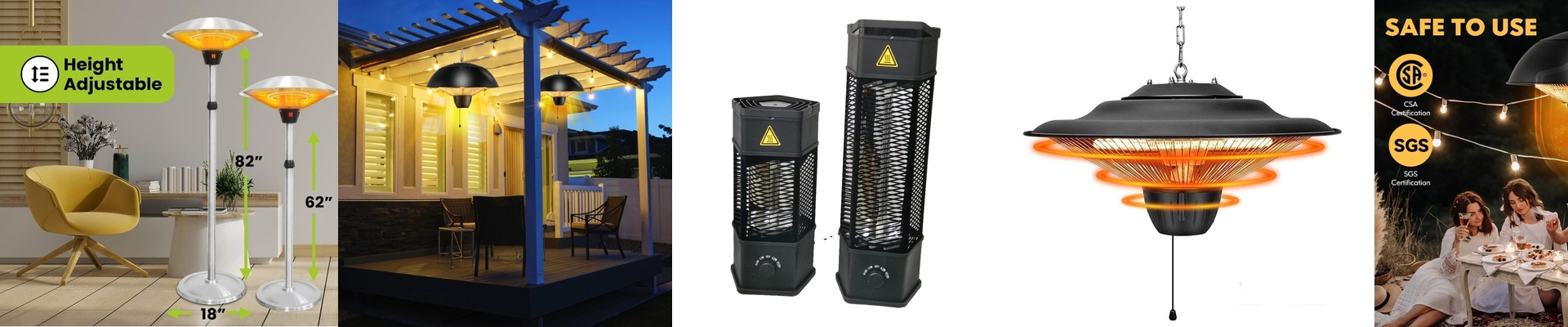
If you’re dealing with a tiny bathroom—anything under 4m²—you really don’t need a monster. A 400W to 600W short-wave lamp is usually plenty. The great thing about these is that they warm you up directly, not the air around you. Once you move into those larger rooms, maybe 6m² to 10m², that’s when you should step up to 800W or 1200W. Just be careful. If you stick a 1200W lamp in a tiny stall, the heat spikes almost instantly. It can get uncomfortable fast, and you might even start overheating the mounting brackets. It’s all about balance.
The Trade-off With Water-Proofing
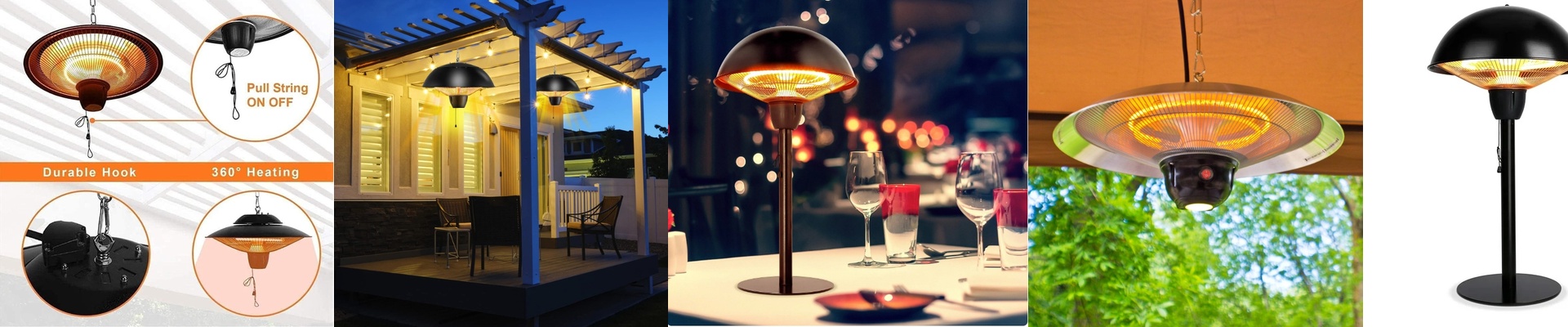
Now, let’s talk about that IPX4 rating. Basically, it means the unit can handle splashes from any direction without shorting out. We do this by sealing the housing tight and using heavy-duty gaskets where the wires go in. But there’s a catch. Those tight seals are great for keeping water out, but they’re not great for letting heat escape. If you run a high-wattage lamp in a housing without enough breathing room, the internals just bake. Over time, your wiring can get brittle and crack. You need a housing with enough thermal mass or a solid heat sink to keep things from frying.
Saving Money and Energy
If you want to keep the utility bills from skyrocketing—especially in commercial buildings—don’t just leave these things running. Wire them into a motion sensor or a timer. Short-wave infrared is nearly instant. You don’t have to wait for the room to “warm up” before you step in. The second the sensor trips, you feel the heat. The second it cuts the power, the heat stops. It’s the only way to run these efficiently.