
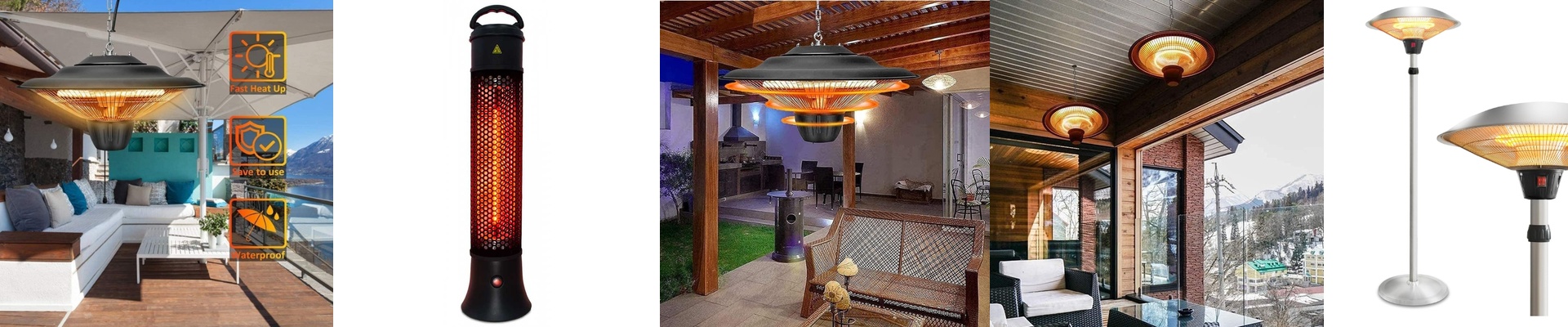
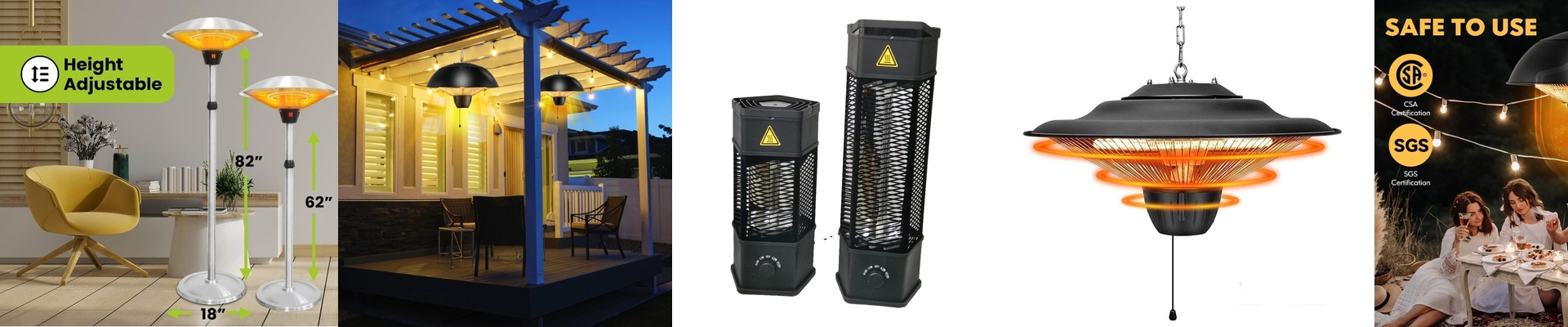
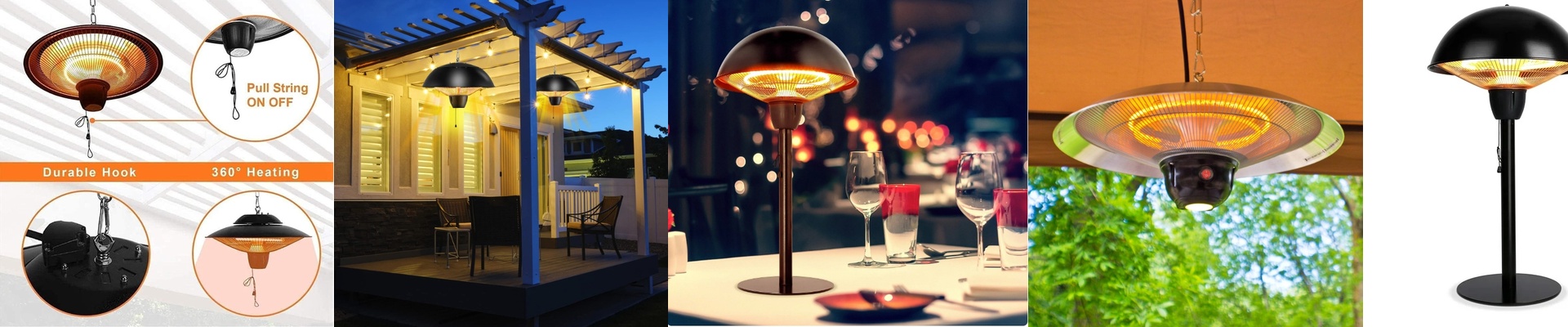
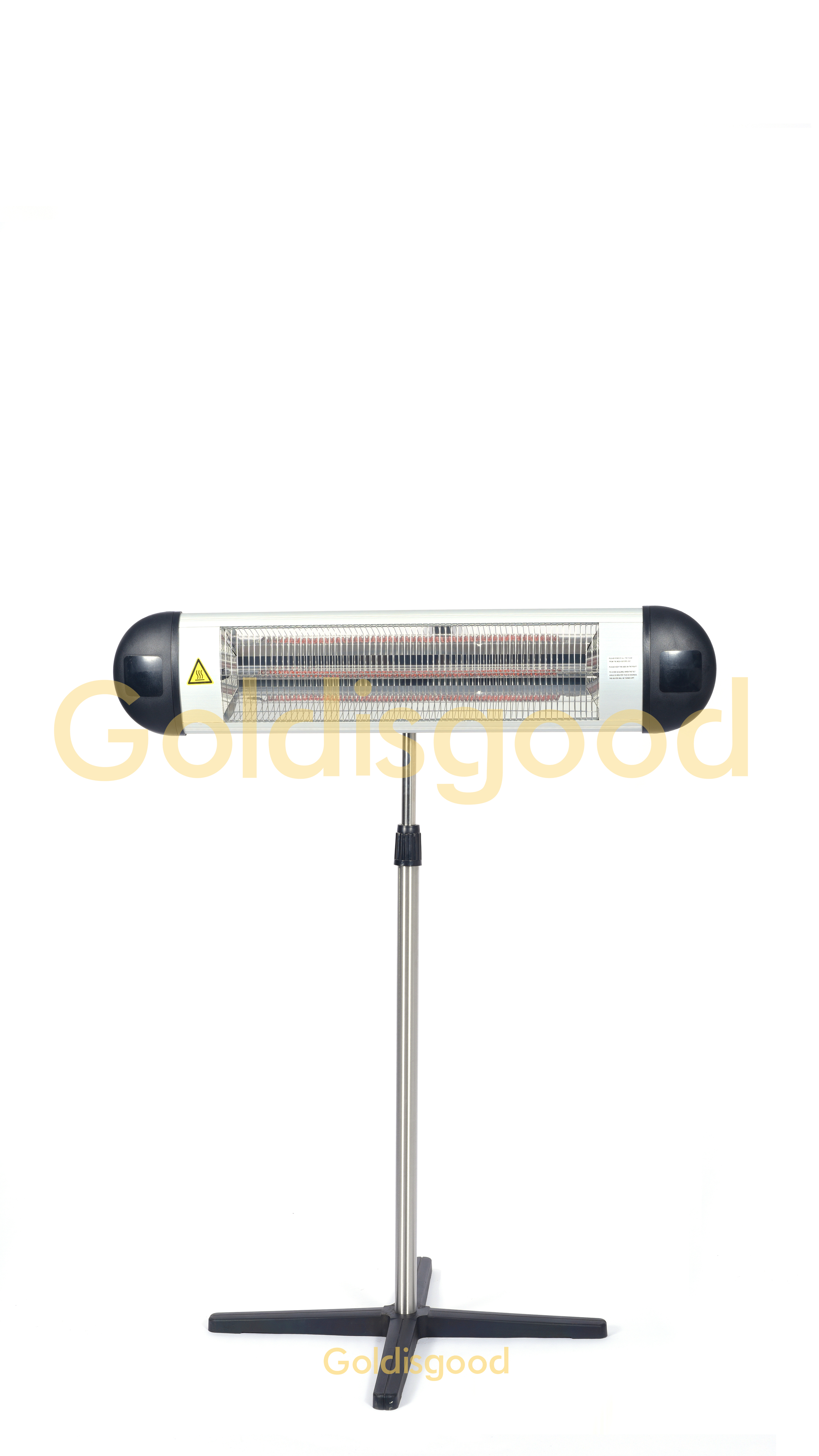
Infrared Heaters: Warmth That Actually Works for Your Bathroom
Let’s talk about bathroom heat—but not the kind that just makes the room feel stuffy. We built our shortwave infrared halogen heaters to do more than warm the air. They’re designed to fight the real headache: mold. Traditional heaters warm the air, and that can leave surfaces damp and still. Mold loves that. Our lamps go straight after the problem—moisture clinging to walls and floors—so you’re not just chasing comfort, you’re protecting your space.
The power behind the warmth
These heaters run on 220-240V and deliver 1500W to 2500W of focused radiant energy. The tubes are usually 300mm to 500mm long, so they pack a lot of heat into a small footprint. And here’s the key: they heat surfaces directly, not the air. That’s exactly what you want when you’re trying to keep moisture under control. But with that kind of power, you do need to plan for it. Make sure your wiring and thermal setup can handle the continuous load—it’s worth doing right so the heater can do its job safely.
The heart of it: quartz tube and R7s connector
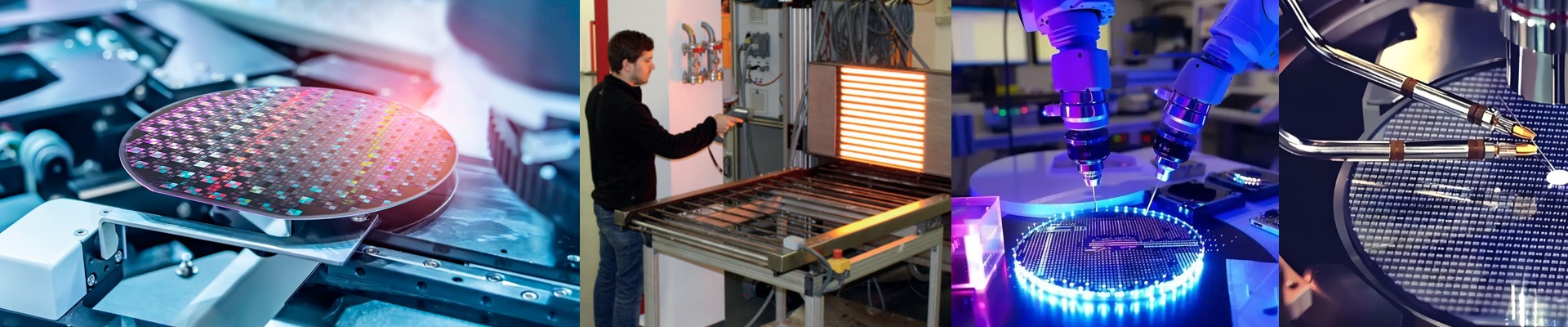
Inside, the heating element sits in a high-purity quartz tube. Quartz handles the quick heating and cooling of the halogen elements, and it sends out infrared energy cleanly. The tube also has a special reflective coating that directs the heat downward, so you get more warmth where you need it—right on the surfaces. The R7s connector is the standard here for a reason. It handles high current and makes installation simple, with no tools needed. That means it can drop straight into existing fixtures, so you’re not tearing things apart just to get the job done.
How it actually stops mold
The lamp puts out shortwave infrared radiation that penetrates thin films of water on walls and floors. That speeds up evaporation without turning the whole bathroom into a sauna. So the surface humidity drops fast, and mold spores don’t have the damp conditions they need to start growing. The lamp also helps prevent condensation by keeping surfaces warm, which supports the overall dehumidifying effect. For anyone installing this, it’s a low-maintenance solution that fits easily into what you already have. Just keep placement in mind—this is focused heat, so you want to position it to do the work without overheating one spot.