
Making Your Patio Heaters Actually Smart
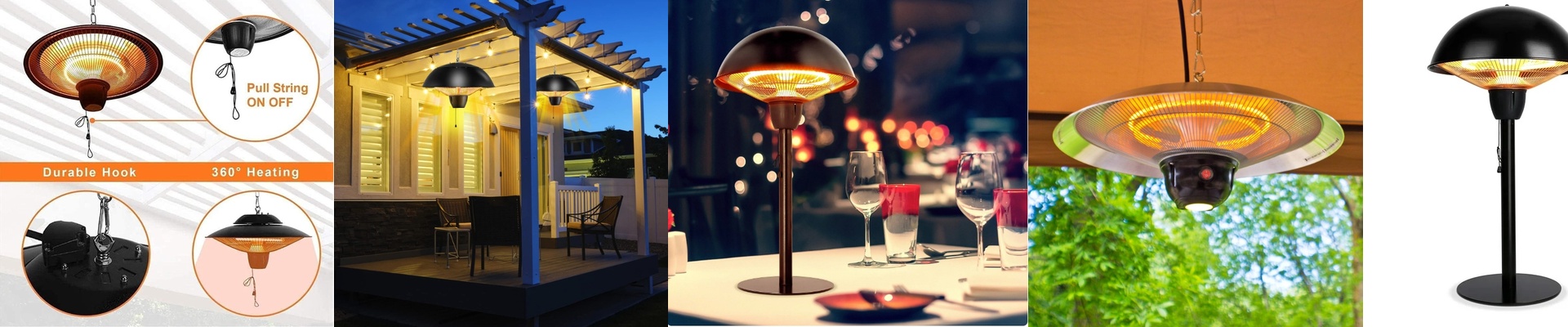
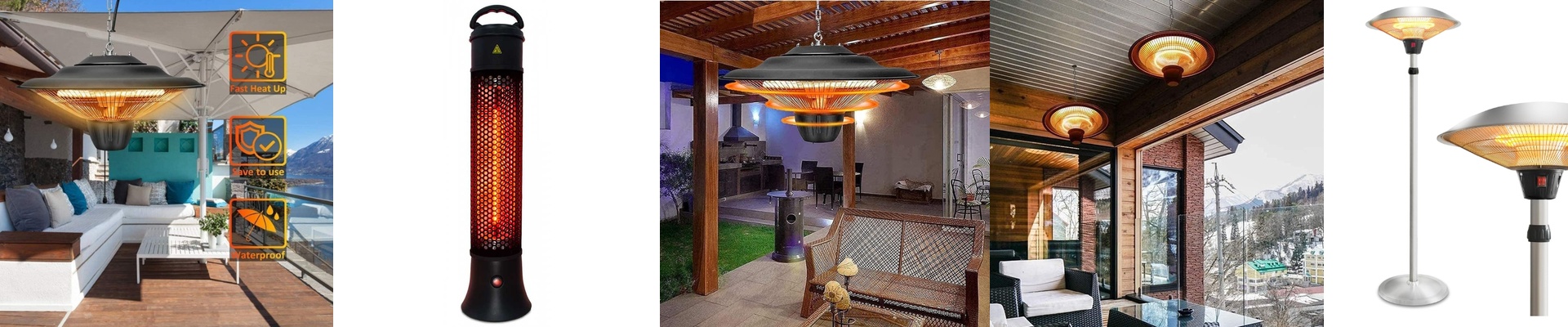
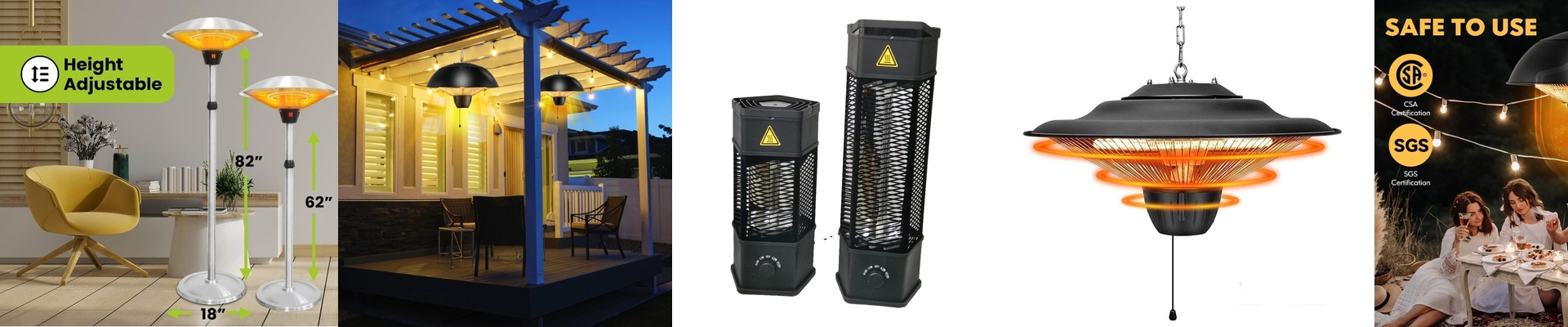
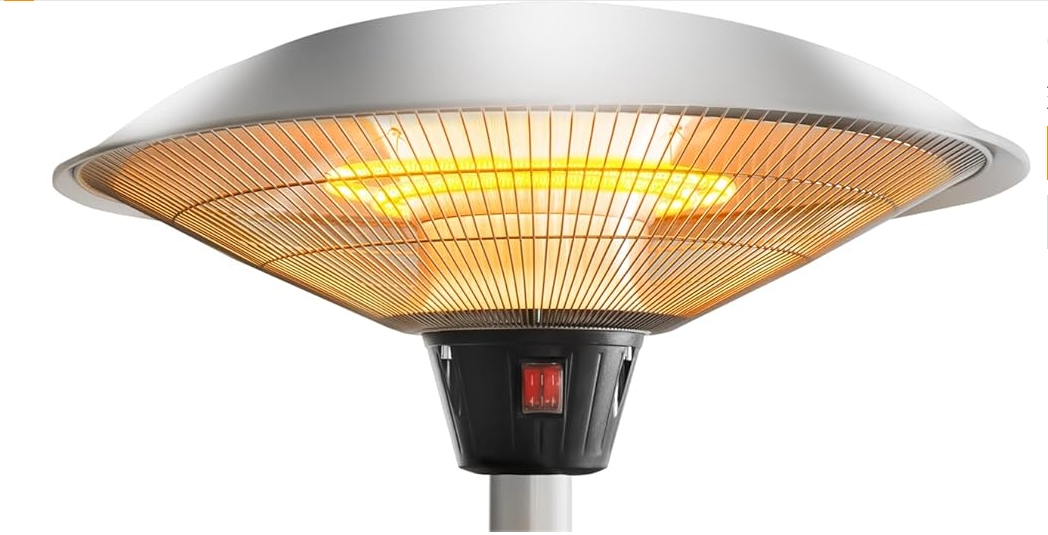
Ever notice how some outdoor heaters just feel like they’re fighting the wind? That’s because they try to warm the air. Infrared heaters are different. They go straight for you—warming your skin and your clothes instantly. It feels like stepping into a patch of sunlight on a chilly day. But fumbling with a manual switch or a clunky remote in the dark? That’s a pain. That’s where the smart home stuff comes in.
Getting the Tech to Talk
Here’s the thing: heaters use a ton of power, while your smart home hub uses almost none. You can’t just plug one into the other. You need a bridge. Usually, that’s a heavy-duty relay or a smart contactor that can handle the heavy electrical load without melting. I usually stick with Zigbee or Matter. Why? Because those signals actually make it through your exterior walls to the patio without cutting out. You just wire the smart switch into the power line, and suddenly, you can kick the heat on from your phone before you even step outside.
Beating the Weather
Outdoor gear takes a beating. Rain, humidity, salt air—it’s a mess. That’s why you’ll see ratings like IP44 or IP65. In plain English, it just means the guts of the heater are sealed tight. If water leaks into those quartz tubes, you’re looking at a short circuit and a dead heater the first time it pours. I also always look for corrosion-resistant alloys for the frame. There’s nothing worse than a heater that works great but looks like a rusty shipwreck after one winter.
The “Gotcha” With Power
The best part about shortwave infrared is the speed. You flip a switch, and it’s like winter just turned into spring. It’s almost instant. But there’s a catch. That “instant heat” is a massive energy dump. If you’re installing three or four 2000W units, your electrical panel is going to feel it. If you don’t check your circuit breaker capacity first, you’ll find out the hard way. You’ll tell your smart system to “Turn everything on,” and pop—you’re sitting in the dark. It’s worth spending a few extra minutes balancing the load across your circuits so you don’t trip the power right when the party gets started.