


How to Actually Build a Warm, Smart Pergola
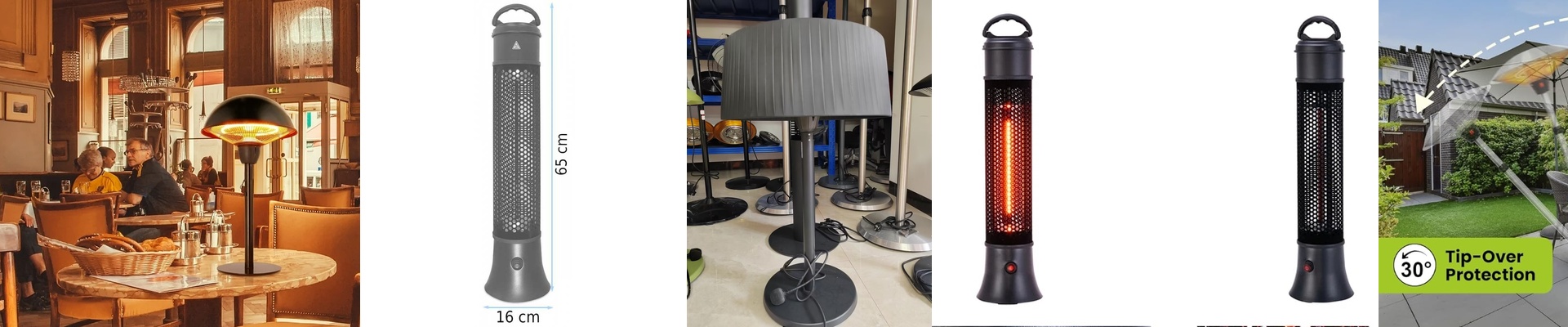
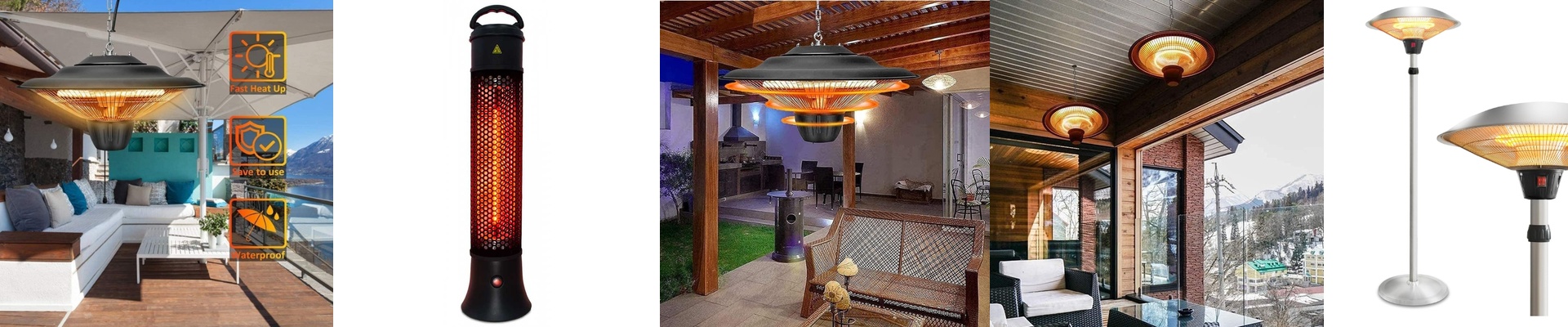
Let’s be honest: most outdoor heaters are a joke. You turn them on, the wind blows, and all that expensive heat just vanishes into the night air. You’re still shivering, just with a higher electric bill. That’s why we stick with shortwave infrared. Instead of trying to heat the air—which is basically impossible in an open pergola—these heaters go straight for the target. They heat you and your guests directly. It’s the only way to actually stay warm when there’s a breeze.
Keeping the Rain Out
Putting electronics outside is always a bit of a gamble unless you do it right. We use IP65-rated housings because they keep the rain and dust away from the guts of the machine. Inside, we use quartz elements tucked behind tempered glass. But the real secret is in the wiring. Use outdoor-rated cables and seal every single junction with silicone or heat-shrink tubing. If you get lazy here and a seal leaks, you’re looking at a short circuit or a burnt-out element. Not a great way to spend a Friday night.
Making it “Smart”
The best part is the “instant spring” feeling. You can hook the heater’s relay up to a smart controller—think Zigbee or Matter—using a high-amperage switch or a PLC. This means you can just tell your house to “turn on the patio” or tap a button on your phone while you’re still inside. And there’s no waiting around. Because it’s infrared, the heat moves at the speed of light. You hit the switch, the filament glows, and you feel the warmth on your skin immediately. It’s like magic.
The One Big Catch
Here is where people usually mess up: the power draw. Infrared arrays are power-hungry. If you put four 1500W heaters in one spot, you’re pulling 6kW. Your standard 15A household circuit can’t handle that. If you try, you’ll trip your mains the second the smart system kicks everything on. Do yourself a favor and run a dedicated line with a breaker that can actually handle the load. It’s a bit more work upfront, but it beats sitting in the dark and the cold.