

Why we try to break our bathroom lamps (before you buy them)
Bathrooms are basically torture chambers for electronics. You’ve got thick steam, constant humidity, and those wild jumps from freezing cold to boiling hot. It’s the perfect recipe for a short circuit or a rusted-out housing. We don’t just hope our lamps will hold up. We spend our time in the lab trying to kill them.
The “Steam Room” Test
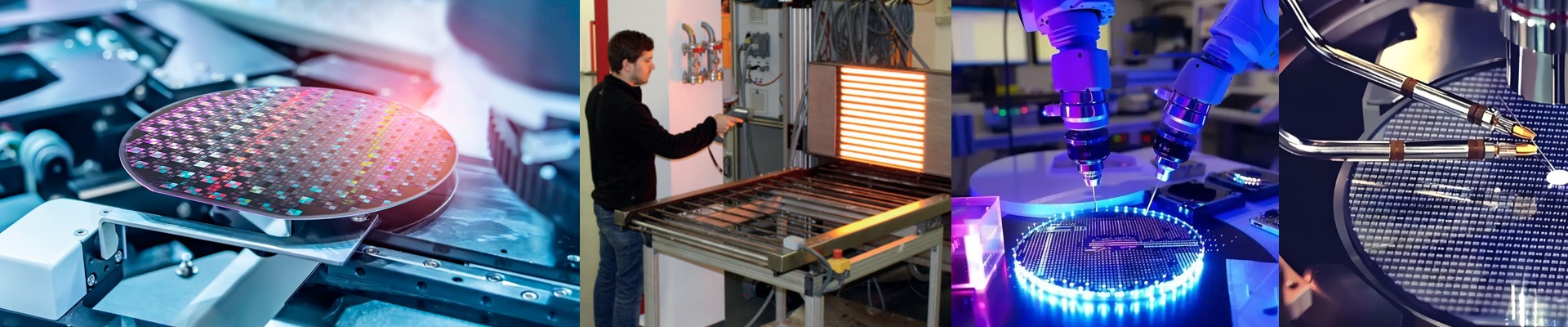
We put every batch of our infrared lamps through something called damp-heat aging. It’s not just flicking a switch on and off. We cram them into a chamber, soak the air with humidity, and cycle the power. Here’s the thing: we’re hunting for tiny, microscopic gaps in the sealant where the quartz tube meets the ceramic. If there’s even a pinhole, moisture sneaks in. And once water hits those internal electrodes while they’re glowing hot? Boom. The lamp burns out.
Hunting for Rust
Then there’s the corrosion. Condensation loves to eat through metal contacts. By speeding up this process in the lab, we can see exactly where the plating starts to give up. We look for pitting or rust that might mess with the ground connection. Because in a wet bathroom, “durable” isn’t enough. The lamp has to be completely isolated, or it’s just not safe.
The Balancing Act
You might think, “Just seal it tighter!” But it’s not that simple. If we make the seal too rigid, the quartz tube has nowhere to go when it heats up and expands. It’ll just crack under the pressure. It’s a constant tug-of-war between keeping the water out and giving the materials room to breathe. We track everything across 1,000+ hours of simulated use. That way, when the lamp gets into your bathroom, it handles the steam without blowing a fuse or rusting away in six months. We do the dirty work in the lab so you don’t have to deal with a failure in your home.