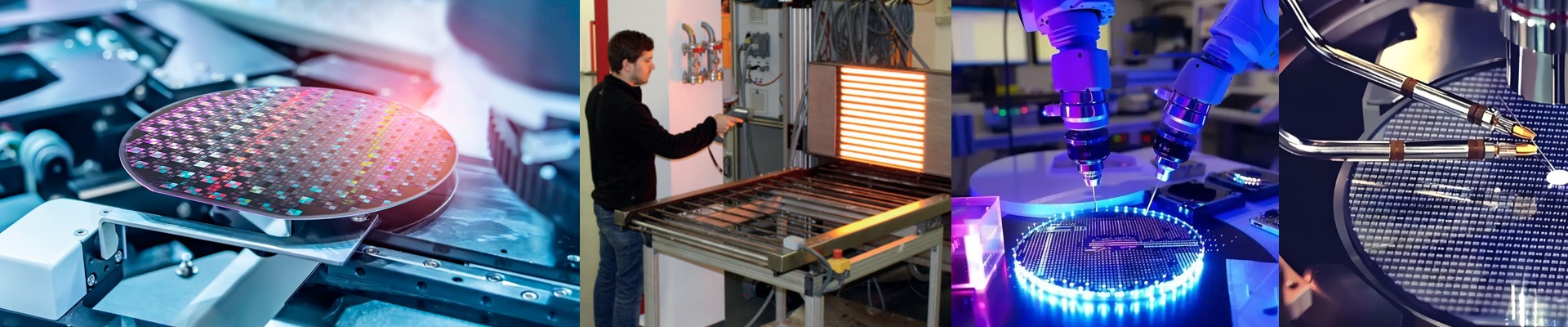
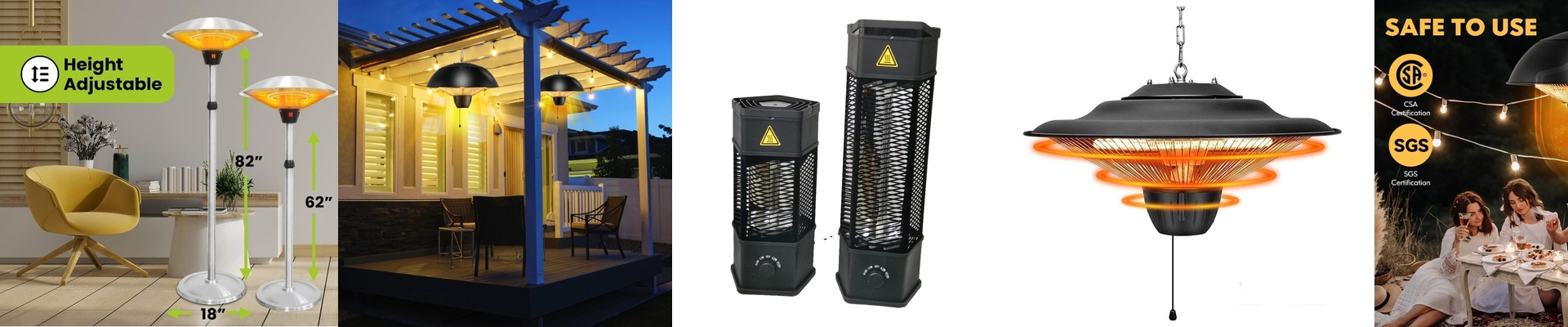

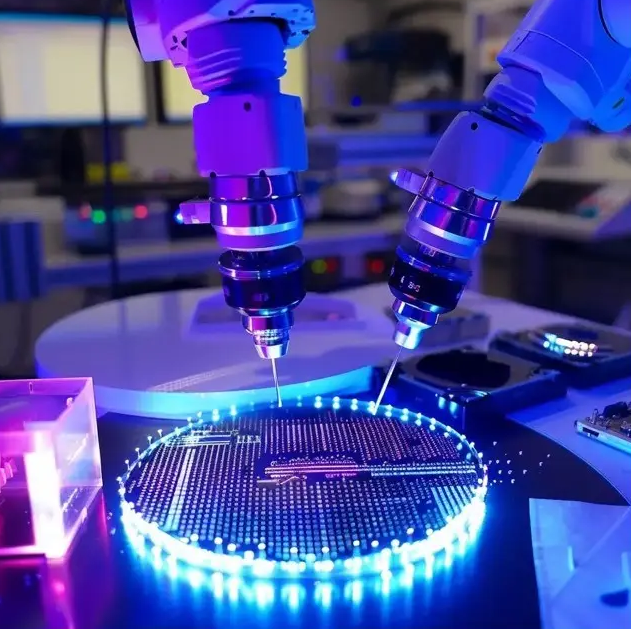
On the fab floor, you don’t chase tolerances — you chase thermal budget. A 0.5°C drift during photoresist bake is all it takes to turn a good lot into scrap. We built this wafer dryer bulb to keep temperature honest, across the whole wafer, every single cycle.
What matters, technically
We spec short-wave infrared halogen elements in quartz because they heat fast and give tight control. The lamp hits ±0.1°C uniformity across the bake zone, so critical dimensions stay in spec. It runs in Class 1–100 cleanrooms and doesn’t shed particles — verified by in-line monitoring. Output stays stable over 5,000+ hours, with less than 5% drift in both lumens and temperature. Response is quick enough to track recipe steps without overshoot, which protects the photoresist profile in both soft bake and hard bake.
Why this matters in lithography
In lithography, the dryer bulb sits right where yield meets uptime. Tighter thermal control means fewer edge-bead excursions, less residual solvent, and linewidth repeatability that holds. That translates into higher first-pass yield and fewer reworks. The bulb’s efficiency cuts energy per wafer, and its reliability trims unplanned downtime and maintenance windows. The line keeps moving, and the process stays in control.
The practical details
Match the bulb to the tool’s socket and thermal feedback system. Mismatched connectors or thermocouple types will break the control loop. There is a warm-up period before you hit setpoint stability — plan your recipes accordingly. Running near the upper temperature limits shortens life; stay within the rated range to keep output consistent. When it’s aligned right, the bulb supports 24/7 operation with predictable maintenance intervals, and it drops into standard litho tracks without requalification.