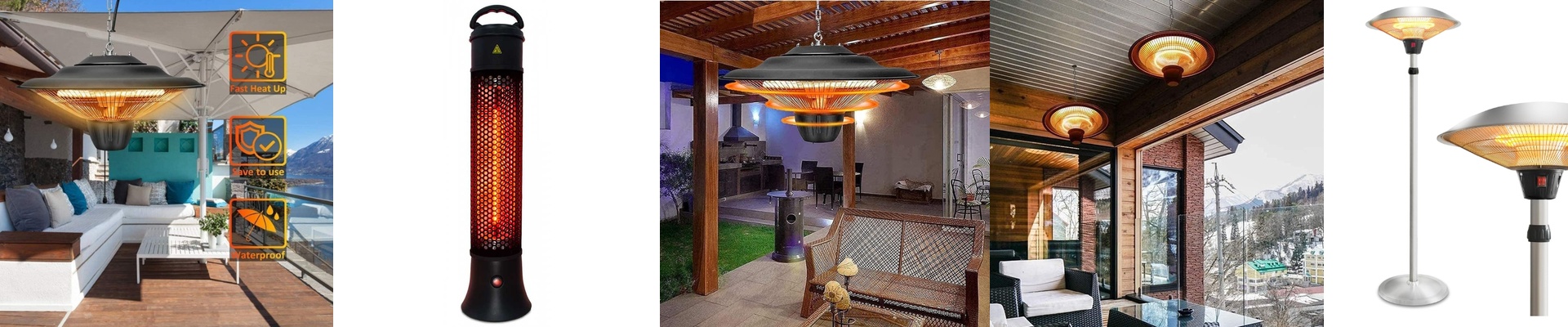
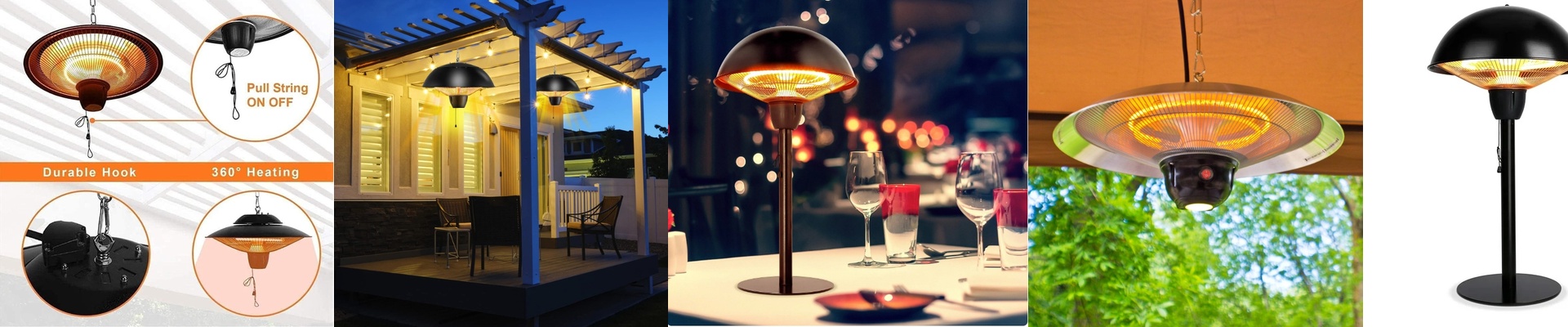
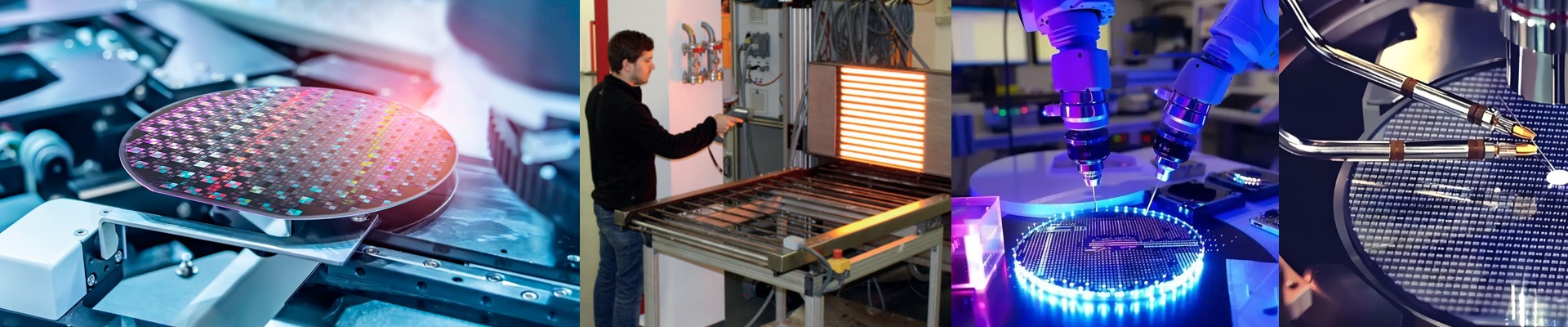


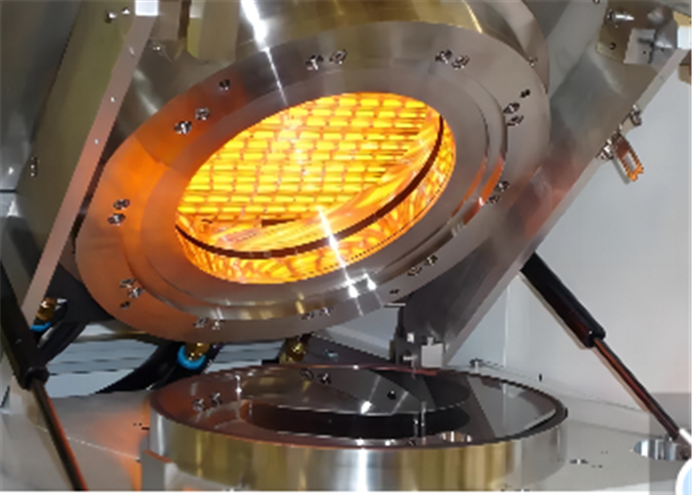
Watch a wafer come out of the final rinse. If the drying step doesn’t hit the thermal budget, you’ll still have micro-pooling—and the next photoresist coat will fight it. Edge beads show up. Critical dimensions drift. Suddenly the lot is staring at scrap. So it’s not just about drying fast. It’s about delivering heat evenly and cleanly, across the whole surface. What matters under the hood Infrared drying hits water directly with short-wave or medium-wave energy—fast, contactless heating. Convection drying uses heated airflow, which can be easier on sensitive stacks, but it’s more sensitive to airborne particle counts. The real metric is thermal uniformity across the wafer, typically ±0.1°C at the process setpoint. Infrared gets you there by mapping lamp zones and controlling spectral output. Convection needs tight airflow distribution and high-precision recirculation. Either way, the tool has to live inside Class 1–100 cleanroom constraints: zero particle generation, and temperature profiles you can count on—whether you’re doing soft bake, hard bake, or post-clean drying. Why this plays where it does On lithography lines, infrared short-wave lamps ramp quickly to setpoint. That means short cycle times and consistent photoresist bake profiles across the wafer. In packaging lines, medium-wave infrared paired with convection gives you controlled curing without overshooting low-k materials. For cleaning and drying, infrared sidesteps air entrainment, which cuts down on re-deposition and keeps edge bead issues from creeping back in. The payoff is higher yield, lower energy use, and a process window that stays stable. The practical details you can’t skip Infrared drying needs line-of-sight and reflector alignment that’s actually dialed in. Wafer geometry and stack materials change absorption, so you plan for that. Convection drying needs HEPA-grade filtration and a maintenance cadence that keeps particle counts in check. Both approaches demand calibrated temperature sensors and recipes that are validated, not guessed at. We size the system to your wafer diameter, voltage, and cleanroom footprint. We also spec the connectors and safety interlocks so it plugs into your line without a fight.