Why We Switched to IR Curing for Biosensors
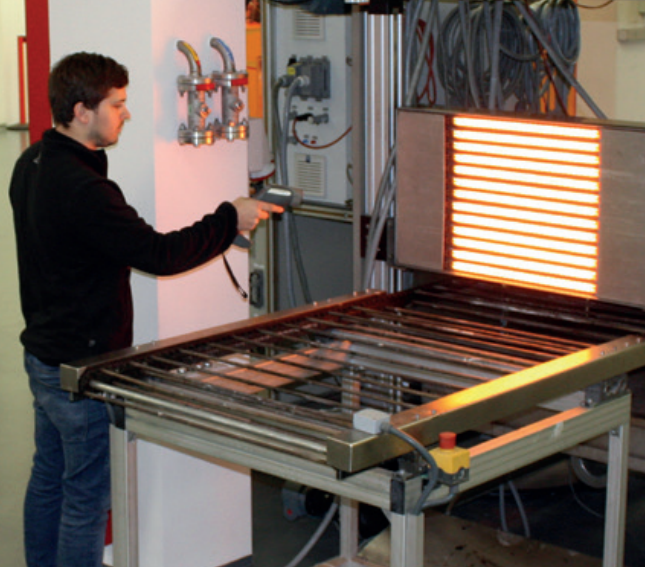
When you’re building biosensors, you’re walking a tightrope. You need enough heat to cure your adhesives and polymers, but if you go overboard, you’ll fry the biological layers. It’s a delicate balance. That’s why we stopped messing around with traditional ovens and moved to short-wave infrared (IR) lamps. Instead of heating up the air in the room—which is a waste of time and power—IR sends energy straight into the substrate. It’s direct. It’s fast.
Cutting out the toxic stuff
Old-school convection ovens are clunky. They heat massive volumes of air just to get the job done, and to keep temperatures steady, people used to rely on lead-based stabilizers or nasty chemical catalysts. IR lamps change that. Since they target specific absorption bands in the material, things cure in seconds. Not hours. Seconds. Because the process is so efficient, you can ditch the hazardous solvents and leaded additives that used to be “necessary” just to lower curing temperatures. It’s a cleaner way to work.
The nuts and bolts (and the pitfalls)
We use lamps with high wattage densities in a tiny footprint. This is great because you can tuck the curing stage right into your production line without needing a massive dedicated room. Plus, your cleanroom energy bill will actually look reasonable for once. But, a word of caution:watch your ramp rates. Short-wave IR hits hard. If you just blast it, you’ll warp your substrate. To keep the active area of the biosensor from overheating, we use PID controllers. It keeps things smooth and prevents any expensive mistakes.
The bigger picture
Moving to IR isn’t just about speed; it’s about staying ahead of those global “green” mandates. You’re cutting carbon emissions because you aren’t hauling around the massive thermal mass of a giant oven. If you’re still running an old line, these lamps are pretty easy to swap in. They basically act as a drop-in replacement for your old thermal stages. Just make sure your power supply can handle the initial kick when the lamps ignite.