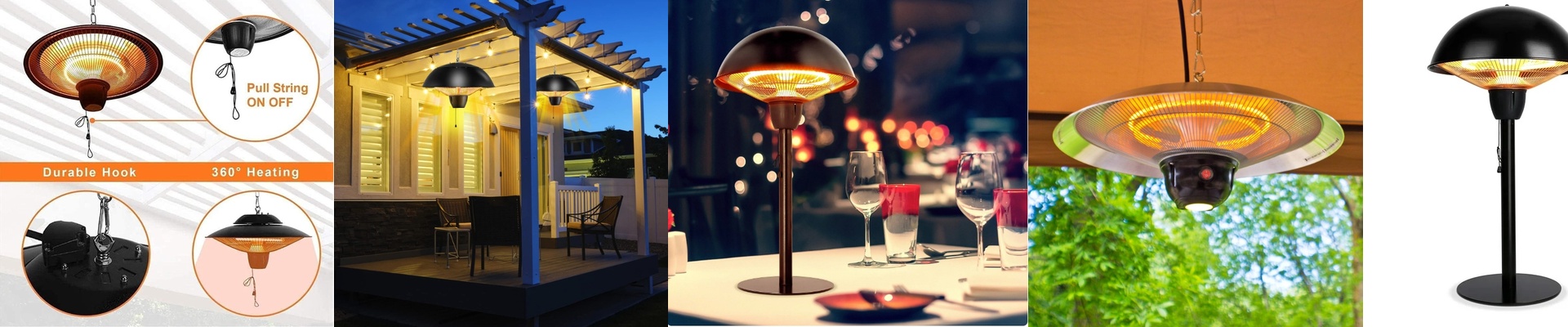
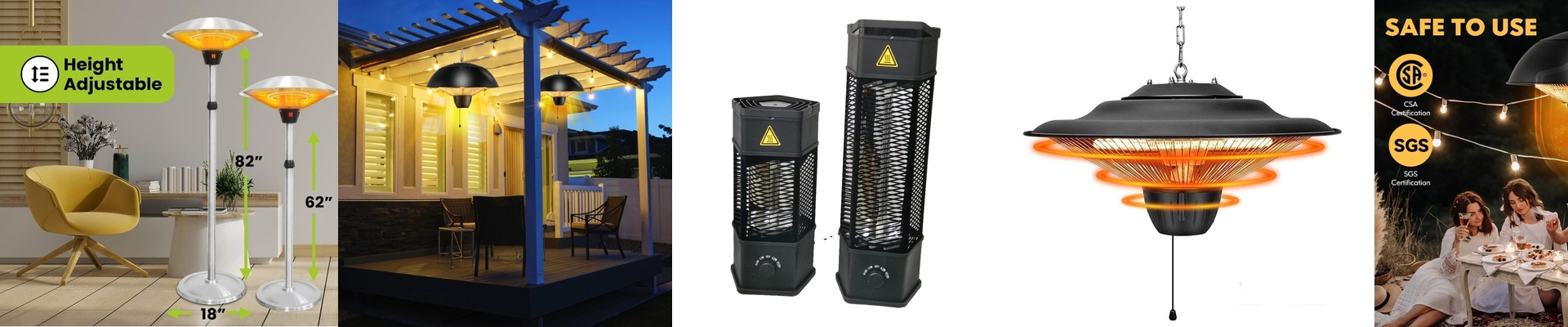
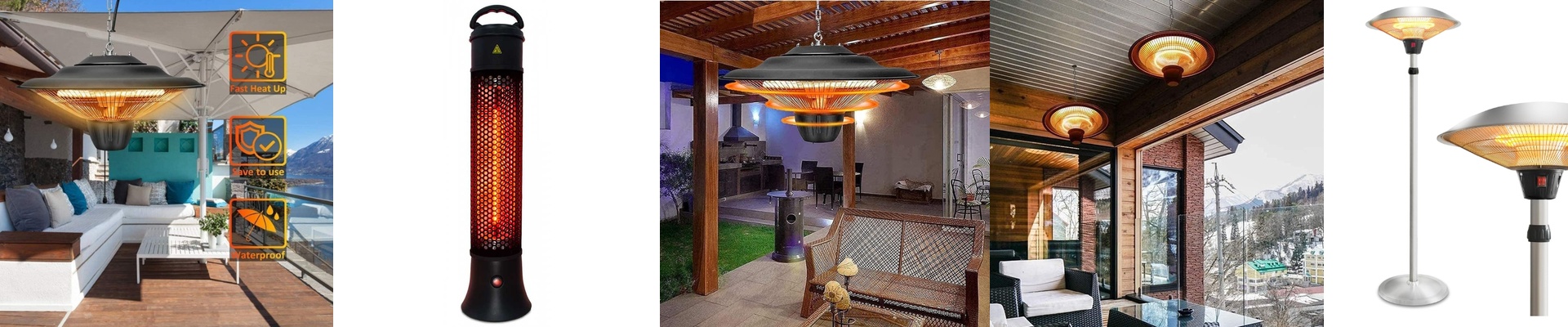
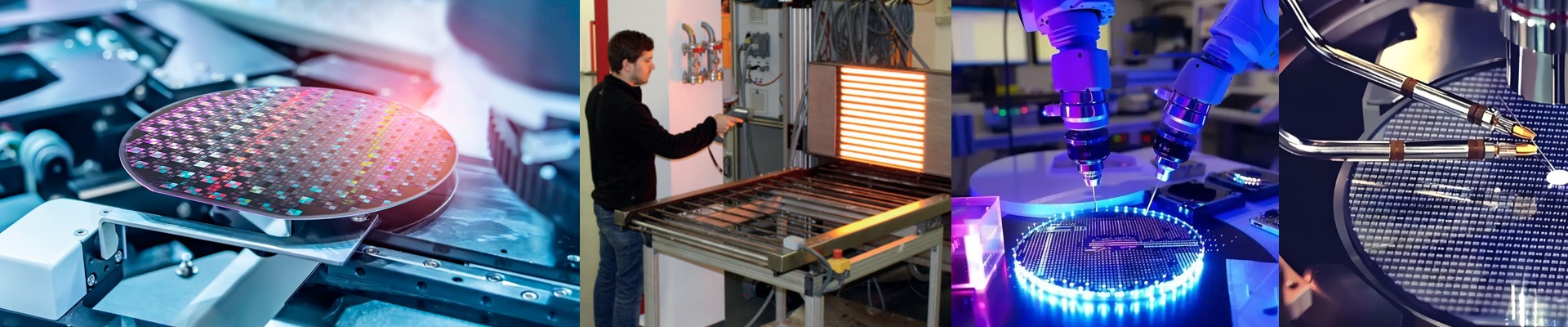
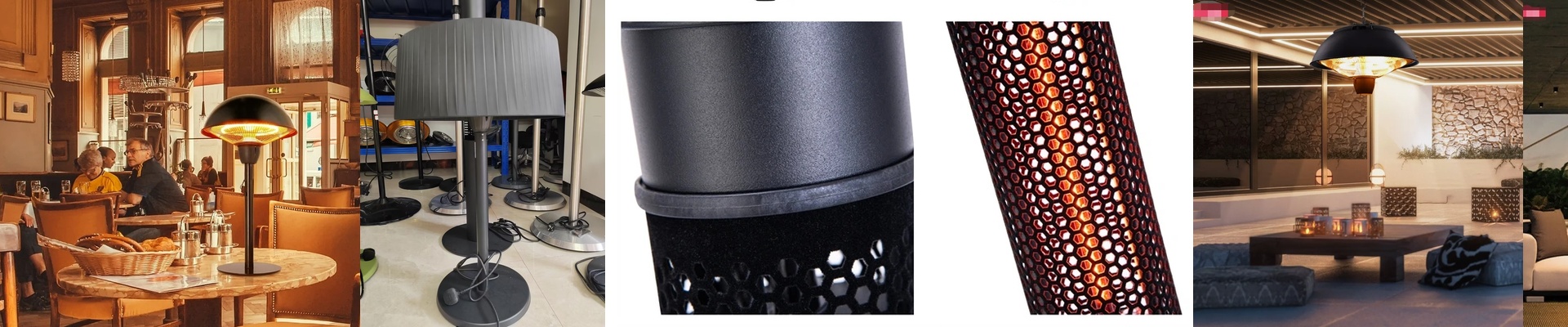
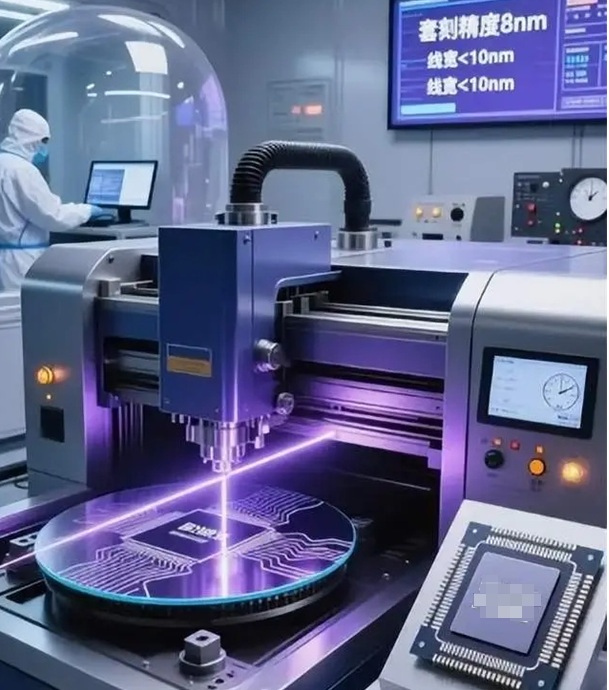
On the fab floor, biosensor wafers live and die on thermal repeatability. A 30 m°C drift during photoresist bake will wreck linewidth control, and particle generation in hard bake can flat-out kill yield. We built the IR lamp system to take that uncertainty off the table. What actually matters We run short-wave NIR emitters with quartz optics, so the heat couples straight into the wafer—fast, clean, and without overshoot. You end up with wafer-level uniformity within ±0.1°C across the active area, which means soft bake and hard bake hit the same profile, lot after lot. The tool keeps running 24/7 with zero unplanned downtime, and it stays particle-free—fully compatible with cleanroom Class 1–100. Why it fits biosensor work Biosensor fabrication stacks thin films and fine features that are easy to stress, and the photoresist can reflow if the bake isn’t stable. Our lamps lock the bake temperature with tight repeatability, so the lithography and etch windows stay consistent—CD variation drops, and line-edge roughness tightens up. The fast ramp-up cuts cycle time without handing away control, and the energy efficiency brings the cost per wafer down. The payoff is higher first-pass yield and fewer reworks. What you need to keep an eye on Lamp output is sensitive to emitter-to-wafer distance and to how clean the quartz window is, so the tool needs a fixed focal gap and a routine preventive check. Integration is straightforward, but the thermal profile has to be matched to the specific photoresist and substrate stack. Run a short qualification to lock the recipe before you push into volume.