

Let’s Talk About UHP Infrared Lamps in Semiconductor Curing
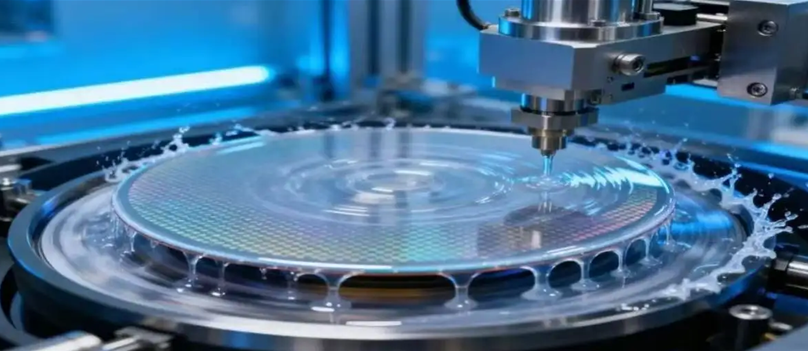
If you’ve spent any time in wafer processing or photoresist baking, you know that the heater lamps are basically the heart of the whole operation. Lately, there’s been a big push toward “green” and “lead-free” standards. But honestly? This isn’t just some corporate PR move. It’s about getting rid of nasty volatile organic compounds (VOCs) and stopping the insane energy drain that comes with those old-school convection ovens. How the heat actually works Think about a convection oven. It wastes so much time and power just heating up a giant box of air before that heat even touches your substrate. UHP IR lamps do things differently. They use electromagnetic radiation to shoot photons directly into the material. It’s a straight line from the lamp to the target. No wasted kilowatts, no heating the entire room—just fast, direct energy. The battle against contamination In a cleanroom, even a tiny bit of dust or a stray molecule is a disaster. It can wipe out an entire batch of wafers in a heartbeat. That’s why we use UHP lamps. They’re built with high-grade synthetic quartz and special filaments so you don’t have to worry about metallic impurities leaking into your process. Plus, they’re incredibly snappy. You can ramp the temperature up or cool it back down in seconds. No more sitting around waiting for a machine to “warm up.” The catch (and how to handle it) Now, here’s the thing: high-intensity IR curing packs a serious punch. That heat density is great for getting your parts through the line faster, but it puts a lot of pressure on your cooling system. If your heat exchangers aren’t up to the task, the area around the lamp housing gets way too hot. If you let that happen, your filaments will burn out way sooner than they should. It’s a trade-off you have to manage. Better for the planet, better for the wallet The best part is that this setup actually makes life easier. By ditching chemical solvents and shrinking the size of the heating gear, you’re hitting those environmental targets without even trying. You stop relying on lead-based solder during curing and stop bleeding power into the grid. It makes the whole fab cleaner, and your utility bills will definitely thank you.