

A Smarter Way to Heat Biosensors (And Stop Wasting Energy)
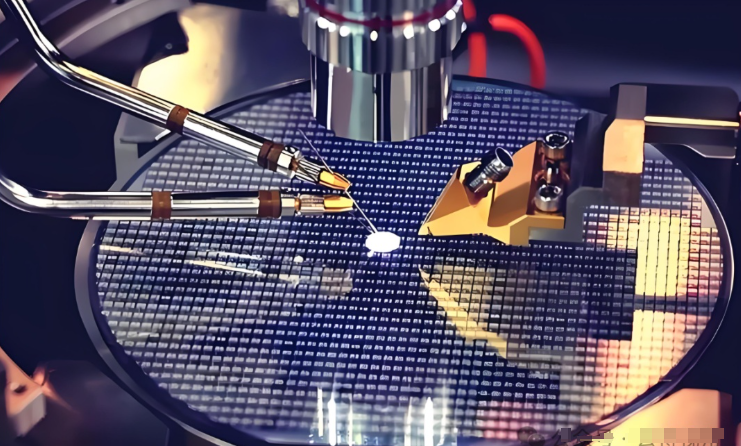
When you’re making biosensors, getting the curing and dehydration just right is everything. For a long time, the go-to move was throwing everything into a big convection oven. But let’s be honest—heating up a massive box of air just to warm up a tiny piece of material is a waste. That’s why we switched to short-wave infrared (IR) lamps. Instead of warming the room, we aim the heat exactly where it needs to go. The energy side of things Old-school semiconductor heating is a slog. You’ve got these endless warm-up cycles and heat leaking out of every crack in the machine. It’s frustrating and expensive. IR lamps change that. They use electromagnetic radiation to dump energy straight into the biosensor substrate. It’s direct. It’s lean. And if you’re trying to run a green factory, it means your power bill actually drops because you aren’t paying to heat the ceiling. Getting the tech right We use quartz-halogen lamps because they’re compact and punch way above their weight. The best part? They hit target temperatures in seconds. No more waiting around for an oven to “get up to temp.” But there is a catch. These things are intense. If your conveyor belt is moving too slowly, you’ll toast the bioactive coating right off the sensor. It’s a balancing act. You have to sync the lamp’s power with the speed of your line, or you’ll end up with warped substrates and a lot of wasted material. Fitting it into your shop We didn’t want these to be a headache to install. We designed them as drop-in replacements for the old heaters, using standard connectors so you don’t have to tear apart your whole chassis just to get them wired up. We also used quartz envelopes—they let the heat through and don’t freak out when they hit cleanroom vapors. And when a lamp finally burns out? You just swap it. It takes a few minutes. Compare that to the nightmare of repairing a massive industrial oven, and it’s a no-brainer. Plus, since you aren’t pumping a giant radiator’s worth of heat into the room, your HVAC doesn’t have to work nearly as hard to keep the place cool. Everyone wins.