



Cleaning Up Semi-Fab Heat with IR
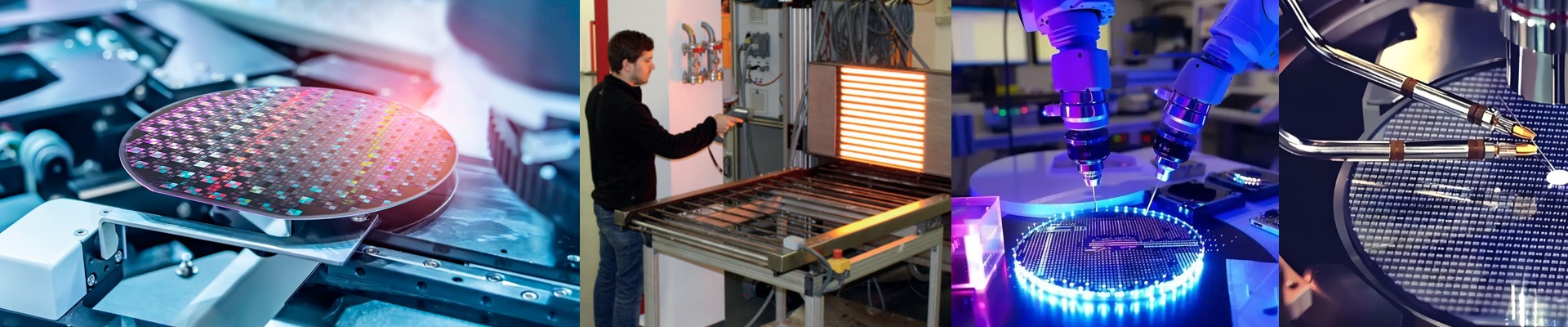
Let’s be honest: semiconductor manufacturing is a beast when it comes to heat. For a long time, we’ve relied on resistive heating, which is basically like trying to warm up a single piece of toast by heating the entire kitchen. It’s a massive waste of energy. We’ve found a better way. By using shortwave infrared (IR) lamps, we can point the heat exactly where it needs to go—the wafer. No more heating the air around it just for the sake of it. It’s a simple shift, but it makes a huge dent in the cleanroom’s carbon footprint.
Why Shortwave IR Actually Works
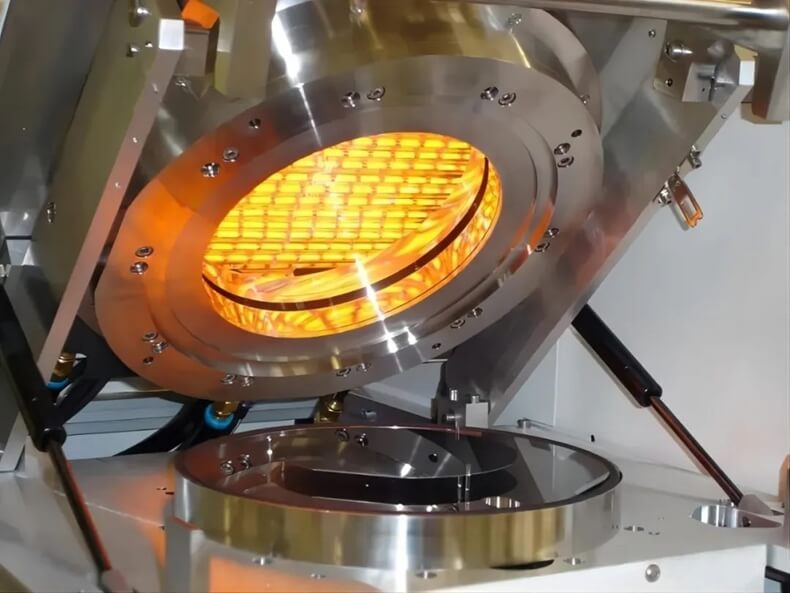
Here is the secret: shortwave IR (we’re talking the 0.7 to 2.5 $\mu$m range) doesn’t mess around. It hits the material and penetrates it way faster than the longwave heat you’re used to. The ramp-up is nearly instant. And since it’s radiant heat, you aren’t fighting your own HVAC system. Your cooling units don’t have to work overtime to scrub the excess heat out of the room, which means your electricity bill takes a hit in the best way possible.
The Nitty-Gritty Hardware
We build these things with quartz envelopes and halogen cycles so the filaments actually last. If you’re running a 300mm wafer line, it all comes down to power density. We use high-wattage tubes to keep the thermal cycling fast. Plus, we use standard connectors, so you can just swap out those old, clunky resistive heaters without tearing your whole setup apart. But look, it’s not magic. There’s a catch. Because these lamps are so intense, they create a lot of localized heat. If your PID controllers are acting up or your sensors are slightly off, you can fry the substrate before you even realize it. You also have to make sure your cooling manifolds are up to the task. You don’t want the radiant bleed warming up the machine chassis.
The Bottom Line for the Factory
The best part? You stop wasting energy during those endless “warm-up” periods that plague batch processing. You see the kWh per unit drop almost immediately. It’s a way to hit those green targets without having to redesign your entire fabrication flow from scratch. You get more wafers through the door, faster, and with less waste. It’s one of those rare wins where the CFO and the plant engineer are actually on the same page.