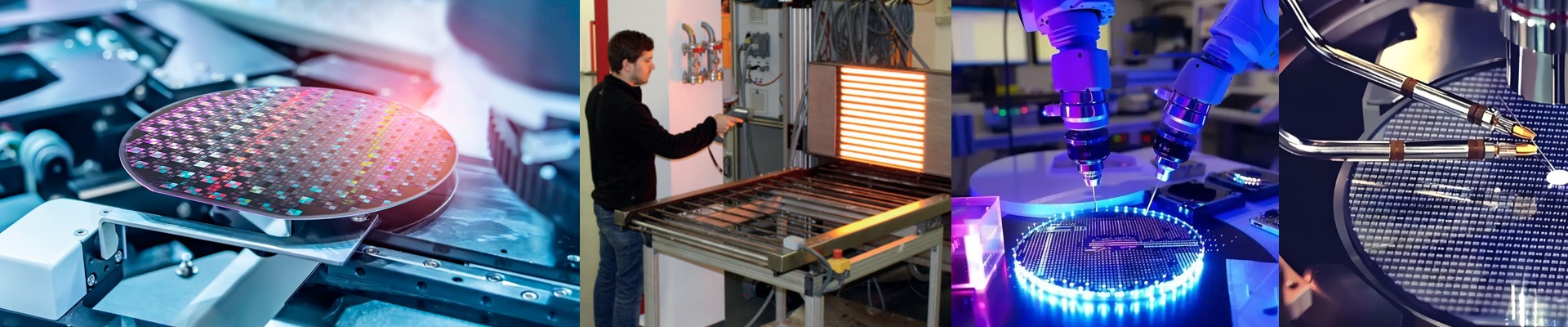



Stop worrying about lamp failures ruining your batch
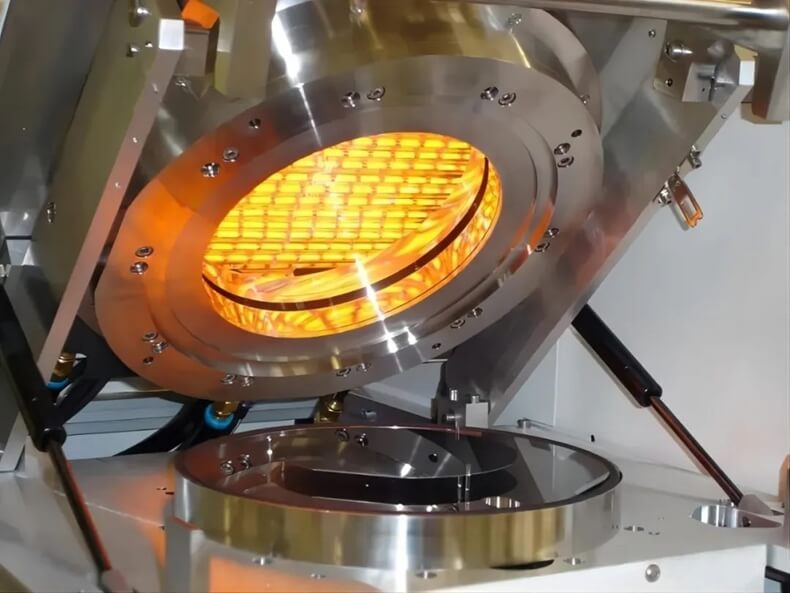
In a high-load wafer fab, one broken lamp is basically a nightmare scenario. If a quartz tube pops, you’ve got glass shards and dust raining down right onto your wafers. It’s an instant disaster. The whole batch is toast, and you’re looking at a massive cleanup. We built our infrared lamps to make sure that doesn’t happen. Keeping the mess contained We start with high-purity synthetic quartz because it can actually handle the brutal temperature swings of a drying cycle. But the real secret is the protective sleeve (or the coated quartz architecture). Think of it as a safety net. If the inner filament gives out and the tube cracks, the sleeve catches all the debris. It stays trapped. You don’t have to shut down the whole line for a deep chamber scrub, which is a huge win for your uptime. Dealing with the heat Most burn-outs happen because of rapid cycling. To fix this, we’ve spent a lot of time balancing wattage and voltage. We want to make sure you don’t get those nasty localized hot spots on the tube wall. By getting the filament centering just right, we stop the quartz from softening or bowing when things get intense. The honest trade-off Now, here’s the catch. Adding a sleeve or a coating means a little bit of the IR transmission gets blocked. You lose a tiny bit of raw heat. You might need to tweak your power settings or let the wafers dwell for a few seconds longer. It’s a simple choice: you give up a fraction of energy efficiency to make sure you never lose an entire batch of wafers to a shattered lamp. I’d take that deal any day. Getting them installed These are designed to be drop-in replacements. They fit your existing wiring, so you aren’t rewiring your whole module. One quick tip: check your cooling airflow. Since the sleeves trap a bit of heat, your exhaust system needs to be able to handle that slight bump in temperature around the housing. Once that’s set, you’re good to go.