

Getting Your Wafer Drying Right (Without the Dust)
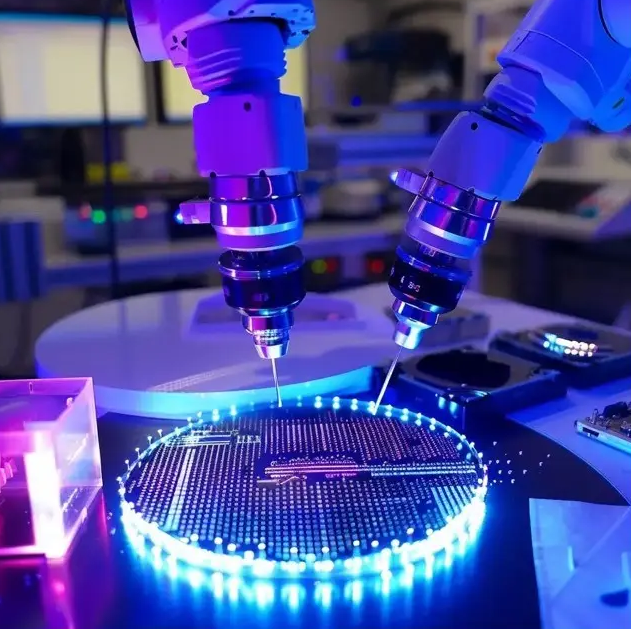
If you’ve worked in MEMS sensor fabrication, you know the nightmare: one tiny speck of dust landing on a wafer and the whole batch is trash. It’s frustrating. Most of the time, the culprit is the heating element itself. Those old metal-sheathed heaters tend to flake or off-gas right when you need them to be clean. That’s why we stick with high-purity synthetic quartz IR lamps. They just don’t shed. No flakes, no mystery particles, no ruined wafers.
Why Quartz Actually Works
Here is the thing about high-purity silica: it can take a beating. You can hit it with extreme thermal shock and it won’t crack. But the real magic is how it heats. The IR radiation goes straight into the wafer surface. You aren’t relying on a blast of heated air to move the moisture—which is great, because air is basically a taxi for dust. We also use a halogen cycle inside the tube. It stops the filament from evaporating, which keeps the inside of the glass crystal clear and makes the lamps last way longer. You end up with a steady, reliable heat across the entire wafer.
A Few Things to Watch Out For
These lamps are lean. They fit into tight spaces, and we can tweak the length and wattage to fit whatever power density your chamber needs. But a word of caution on your power supply. High-wattage IR lamps are thirsty for current. If you’re hooking up a whole array of them, make sure your electrical panel can handle the peak load. You don’t want to be tripping breakers every time you ramp up. Also, please use a PID controller. If you overshoot your target temperature, you risk warping those thin MEMS membranes, and that’s a mistake you can’t undo.
Real-World Use
At the end of the day, you just want a surface that’s dry, fast, and sterile. These lamps make that happen. Because the heating cycles are so quick, the wafers spend less time in the drying phase. That means fewer water spots and less chemical residue to worry about. If you’re upgrading an old system, these are pretty easy to swap in. Just one tip: be gentle with the mounting brackets. Don’t squeeze the glass too tight. If there’s too much mechanical stress, the tube might snap as it expands with the heat.