


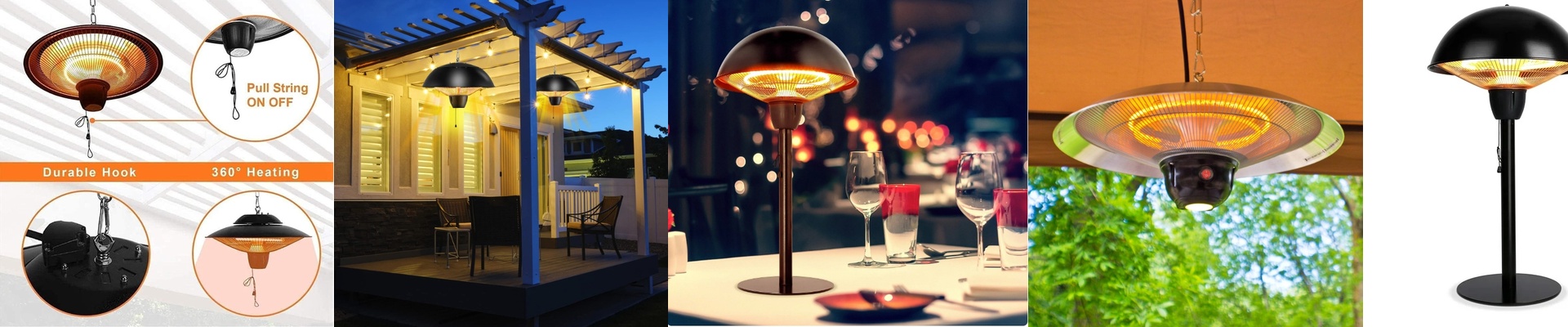
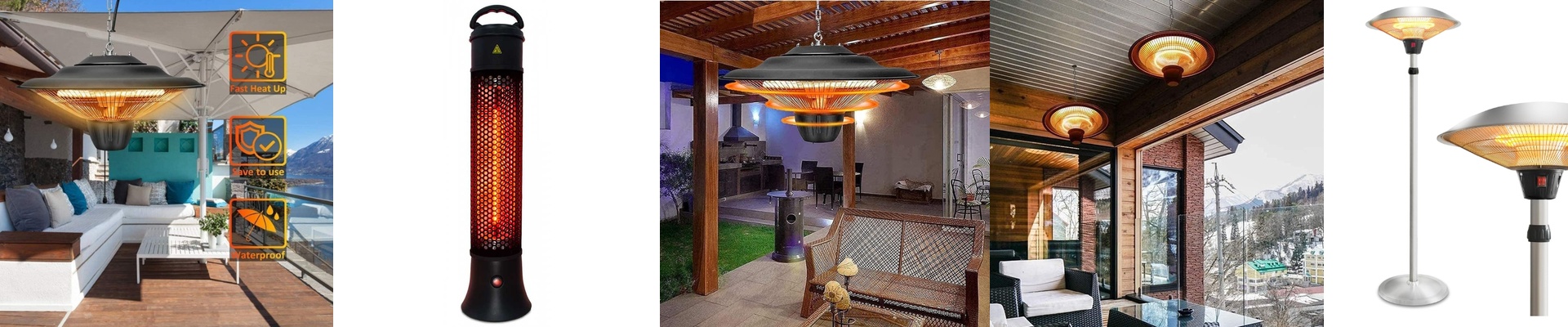

The air turns crisp, and comfort suddenly becomes non-negotiable. You want warmth that shows up fast, settles in evenly, and doesn’t require a manual just to get started. A touch-screen heater cuts through the fiddle. You get immediate, repeatable control—output, schedule, and comfort tuning—without feeling around for buttons in the dark.
What matters, under the skin
We built this around infrared radiant heat. It warms people and objects directly instead of pushing air around. You feel the heat within seconds, and it stays steady even when a breeze cuts across the space. The carbon fiber element lays down even coverage with low glare, and the touch-screen interface gives you clean, repeatable settings—on/off, temperature targets, and mode selection—without the drift you get from mechanical dials. Expect quiet operation, too. No fan noise to break into conversation. For outdoor use, look for an IP rating that can handle typical yard conditions. For indoor use, tip-over protection and overheat protection are the baseline for peace of mind. Power needs to match the space: pick wattage that fits your room or patio so you get responsive warmth without overshooting.
Why this approach fits
On the patio, the touch-screen lets you set comfort quickly—no fumbling with switches while you’re plating dinner or keeping an eye on the grill. In a workshop or garage, radiant heat warms your body and tools, so you can get to work without waiting for the air to catch up. In living areas, you can set a target temperature and let the heater hold it. That cuts down on temperature swings and keeps those sudden chilly moments from forcing you into extra layers. The result is steadier comfort, fewer interruptions, and a space that feels ready when you are.
The details that make it work
Infrared heats surfaces and people directly, so the warmth at arm’s length can feel noticeably stronger than the air temperature a few feet away. Plan placement around how you actually use the area. The touch screen needs stable power and clean, dry hands for the best response. Keep it protected from direct rain unless the model is rated for it. In indoor rooms that draft, pair the heater with solid air sealing, and comfort stays consistent.