


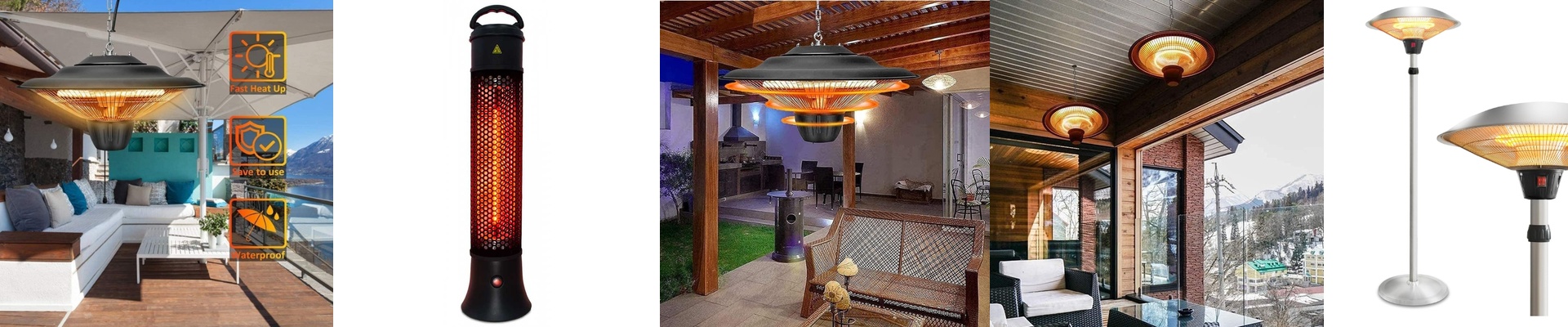

IP65 Protection: The Non-Negotiable for Bathrooms
You know how it goes in a bathroom—steam, splashes, and that constant dampness. It’s brutal on anything electrical. That’s why we’re seeing old exposed lamps get swapped out for sealed, heavy-duty infrared heaters. The reason is simple: water and electricity just don’t belong together. An IP65-rated heater is built to take direct jets of water from any angle. That sealing is what stops short circuits and corrosion—the two things that kill standard units. Keep the inside dry, and you get a heater that lasts way longer and needs way fewer service calls. For anyone planning a bathroom, it means you’re choosing a unit that’s actually built for the wet zone from the start, instead of trying to patch something up later.
Power, Voltage, and Size: Getting the Details Right
The heart of these infrared heaters is their power density. We tune them to deliver steady, focused radiant heat. The wattage and voltage are matched to what the space needs and what the electrical system can handle. You’ll often see 220-240V or 400V setups, with power ratings that give you a fast warm-up. And the physical size—usually a specific tube length—is chosen to fit tight spaces while still putting out plenty of radiating surface. There’s a trade-off here. A shorter tube with high wattage gives you intense, localized heat, but the fixture around it has to handle the extra heat. Make sure the mounting bracket and housing material can take the temperature.
Materials and Connectors: The Stuff That Stays Tough
These heaters use a high-temperature quartz tube, often with a halogen fill. That build gives you quick heat-up and steady performance, even when the temperature swings. The internal filament is made to handle thermal shock, so it can turn on and off over and over without burning out. And the connectors matter—a lot. R7s and SK15 terminals give you a secure, low-resistance connection that can carry high current. They lock in place, so you don’t get loose contacts that cause arcing and heat buildup. A bad connection is the number one reason these systems fail early. Get the connection right, and you avoid a headache later.
Why It Works: Efficient Heat in a Small Package
In real life, these IP65 infrared elements drop right in where older lamp systems used to be. They pack more heat into less space, which makes retrofits a lot easier. And because they warm objects directly instead of just the air, you feel comfortable faster—using less total energy. But that high heat density means the whole system has to be designed for it. The fixture needs proper ventilation, and the wiring has to be rated for the continuous load. When you spec it correctly, you get a compact heater that’s reliable and meets modern bathroom standards.
The Reality Check: Match the Heat to the Whole Setup
A high-wattage infrared element throws off serious heat, and that heat stresses the parts around it. Before you swap out an old lamp, check the fixture’s thermal rating, the wiring gauge, and how the unit is cooled. If the rest of the system is undersized, the heater will still work—but the housing or wiring might give out first. Treat the upgrade as a complete package, not just a bulb swap.