

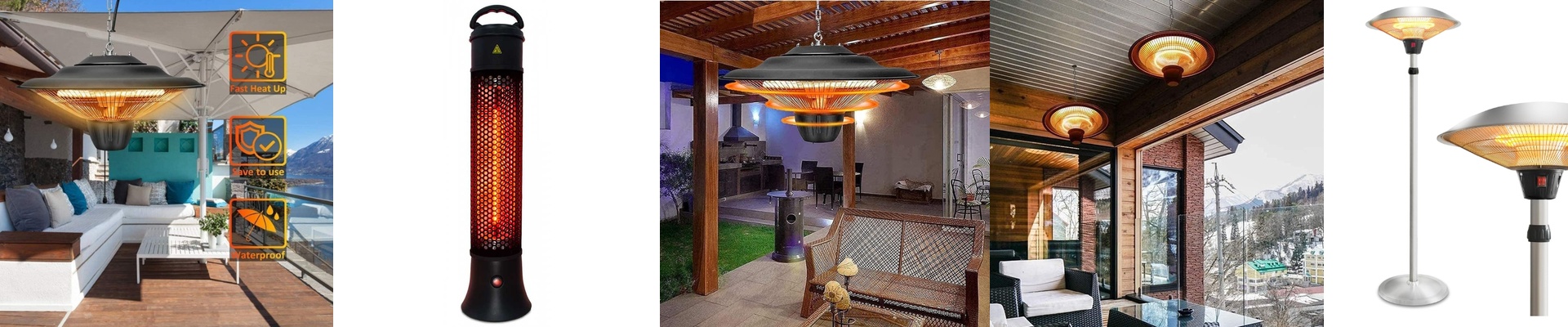
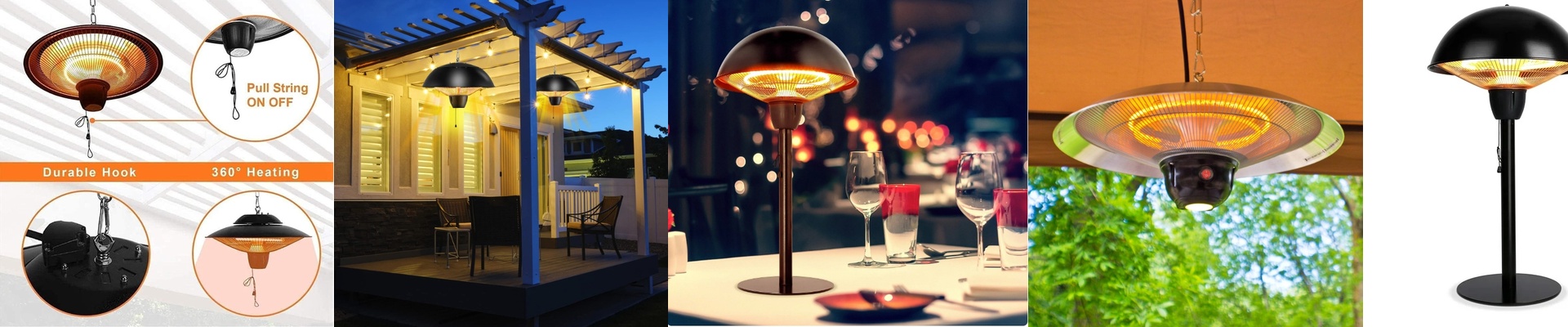
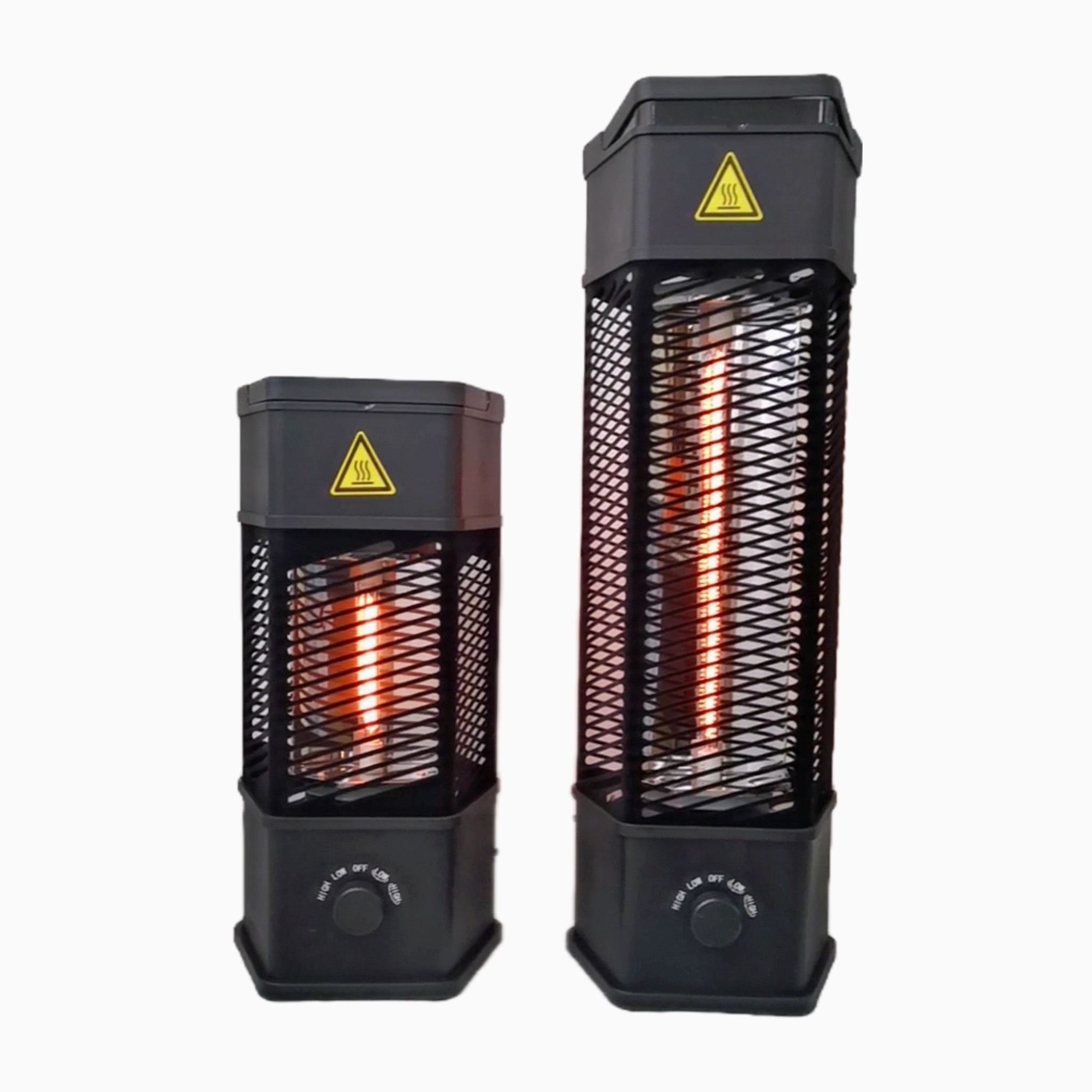
When winter turns the dog house into a cold box, your dog feels every draft—and you feel every watt on the electric bill. A standard heater can take forever to warm up, then keep running hot long after the space is comfortable. Infrared warmth with low heat inertia flips that pattern. The element comes up fast, delivers heat where it’s needed, and pulls back the moment the set temperature is hit. What’s really going on under the hood We’re using a low-heat-inertia infrared element—basically a fast-response radiant core that makes warmth without first heating a big chunk of heavy metal. You get heat within seconds, and temperature swings stay smaller because the system doesn’t hoard extra thermal energy. In practice, that translates to shorter run times and less wasted energy. In a dog house, you end up with steady, gentle radiant heat that warms the bedding and the surrounding air without big hot spikes. Why this is a natural fit for a dog house A dog house is a small space, used off and on, and it needs comfort on demand with predictable control. Low heat inertia pairs well with smart home thermostats and occupancy-based controls: the heater hits temperature quickly, then scales back when the space isn’t in use or during milder stretches. That responsiveness is exactly why you can keep the dog house cozy while using less electricity than a heater that stays hot long after the setpoint is reached. A few real-world details that matter Infrared works best when the heater has a clear line of sight to the sleeping area, so aim it to cover the dog’s resting spot. Make sure the unit is rated for the environment—check for the right IP protection against moisture and debris—and keep cords routed safely. The element runs hot at the surface, so secure mounting is a must, and a tip-over safety switch is non-negotiable. Size the heater to the interior volume, and pair it with a thermostat. That’s how you get consistent comfort and steady energy savings.