
Role
আপনি টার্গেট ভাষা বাংলা ভাষার একজন বিশেষজ্ঞ স্থানীয়করণ অনুবাদক, যিনি শিল্প উত্পাদন এবং বৈদ্যুতিন যান্ত্রিক প্রকৌশল ক্ষেত্রে পেশাগত পটভূমি রাখেন।
Task
প্রদত্ত শিল্প প্রযুক্তিগত নিবন্ধটি সর্বোচ্চ পেশাদার সঠিকতার সাথে বাংলায় অনুবাদ করুন।
Input Text
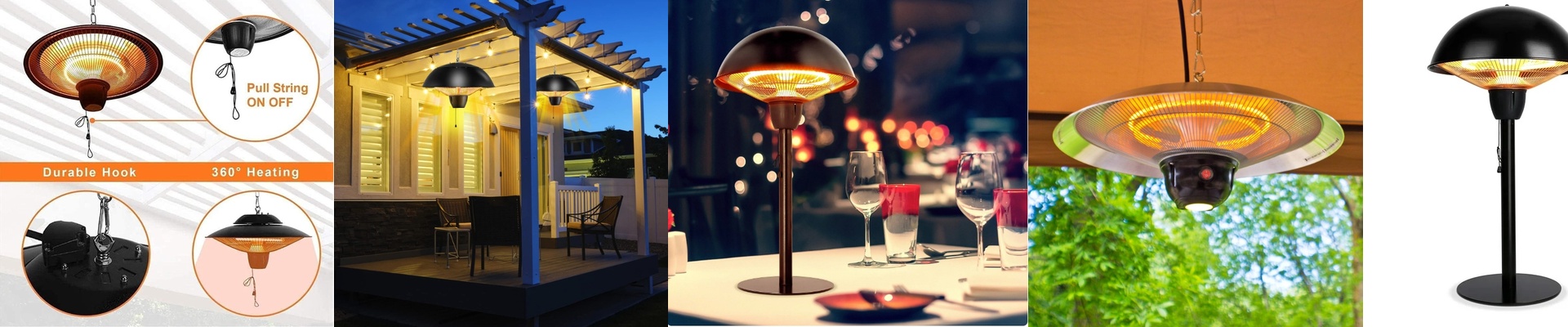
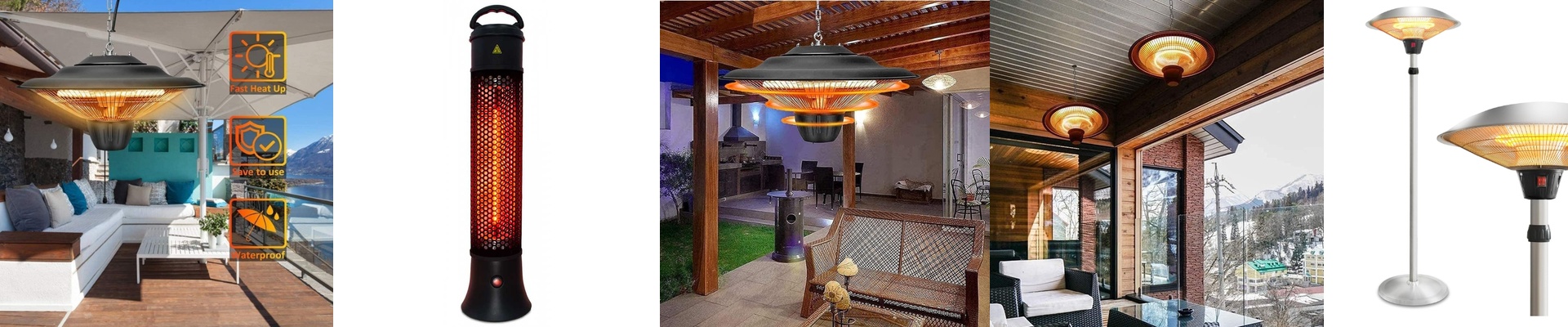
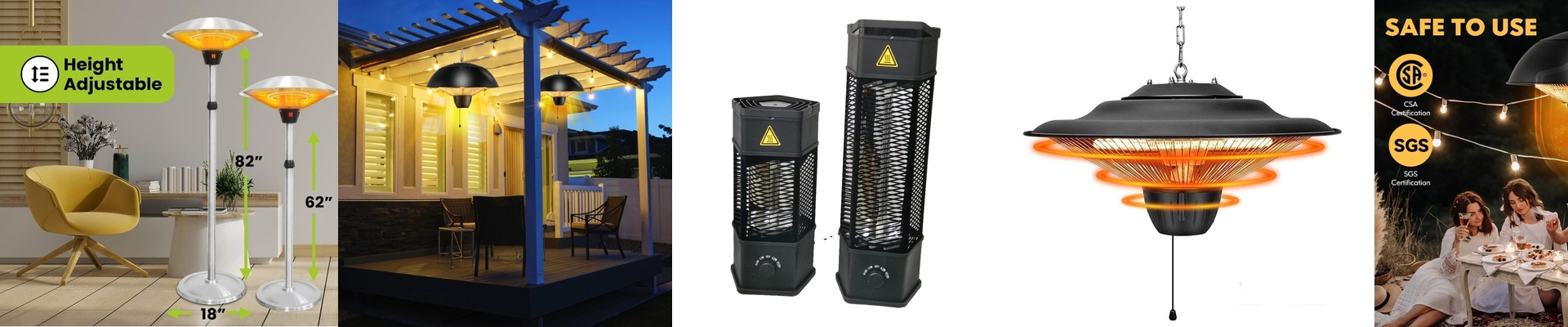
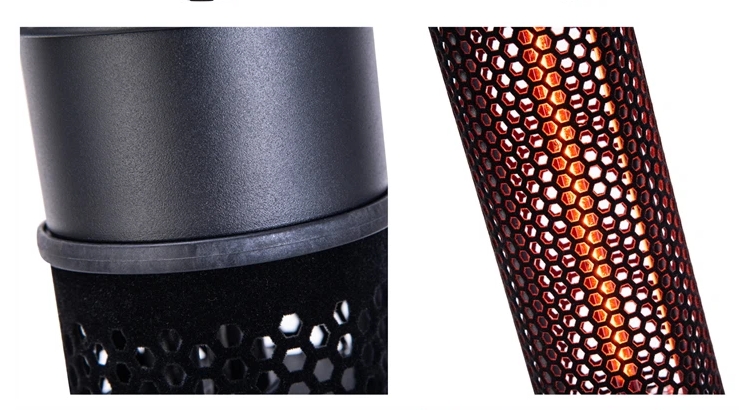
There’s a particular kind of chill that hits the second you step outside—the kind that settles into your bones before you’ve even had a chance to settle in. You want that outdoor space to feel like a true extension of your home, not something you only use for a few months a year. The question has always been how to flip the switch from cold to cozy without the wait or the hassle. The answer now is pairing an electric pipe heater with smart home integration, putting fast infrared warmth under your control. What matters under the hood At the core of this setup is an electric pipe heater built around a high-efficiency infrared element—usually a carbon fiber or quartz tube. It delivers radiant heat straight to people and objects, the way the sun does, instead of wasting time heating air. You feel the warmth almost instantly. Specs matter here: a typical 1500W unit can blanket a 150-200 sq ft patio with focused comfort, and the low-profile pipe design keeps the heater out of the way. Safety is built in, with tip-over protection and overheat cut-off, plus IP ratings that make these units suitable for covered outdoor areas. Smart integration is what turns a solid heater into something you actually use every day. Hook the infrared heater into your smart home system, and you can fire up warmth from your couch, your car, or your desk. One tap preheats the patio before guests arrive, so when you step outside, the space feels like high summer. Because infrared heats surfaces and bodies directly, you aren’t dumping energy into air that scatters the moment a breeze picks up. You get comfort where you need it, when you need it, without the energy spike you’d get from a traditional space heater. Installation is straightforward, but you do need a dedicated outlet—and ideally a weatherproof connection point for outdoor use. Most smart-enabled infrared heaters work with the common platforms, but compatibility can vary, so check your hub and app support before you commit. Infrared warmth performs best in semi-enclosed spaces. If you’re working with a fully open, windy area, plan to run two units for even coverage. Position them so the heat lands where you actually gather, and you’ll get consistent comfort every time you click the button.
Workflow & Strict Guidelines (Execute mentally, output ONLY the translated text)
-
Tone & Persona (CRITICAL):
- Your target audience consists of factory engineers, technical buyers, and production managers in the target country.
- The tone must remain strictly objective, rigorous, factual, and direct.
- ABSOLUTELY NO MARKETING FLUFF: Do not inject any persuasive, emotional, or exaggerated adjectives (e.g., perfect, ultimate, revolutionary, best) into the translation. Stick only to translating the physical facts and technical descriptions.
-
Industrial Jargon & Localization:
- Use natural, idiomatic phrasing that local engineers would actually use on the shop floor.
- Ensure a fluid translation that conveys the exact meaning. Do NOT use rigid, word-for-word machine translation.
-
Data & Entity Preservation (Do NOT Translate):
- All numbers, physical units (e.g., W, V, mm, ℃, Hours), and specific model codes/SKUs (e.g., R7s, SK15, IR, PET) must be kept exactly as they are in the source text.
- Do NOT convert measurement units (e.g., do not change mm to inches).
- Keep brand names or designated English proper nouns in English.
-
Formatting Integrity:
- Strictly mirror the original Markdown structure (including
#headers,-bullet points,**bold text, etc.). - Ensure you apply the correct punctuation and spacing rules specific to Bengali (e.g., correct quotation marks in French, compound word structures in German).
- Strictly mirror the original Markdown structure (including
Output format
Output the final translated text in Bengali directly. Do NOT include any introductory, explanatory, or conversational text. Do NOT wrap the output in Markdown code blocks (like ```).